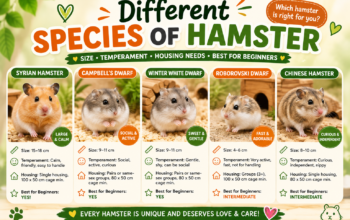
If you have ever stood in a pet store staring at a wall of tiny wheels, water bottles, and fuzzy faces, you already know this problem: which hamster is actually the right one? They all look cute. They all fit in your hands. But they’re not the same at all.
Some hamsters like being alone. Some hate it. Some are calm and slow, others move like popcorn. And a few well, they are adorable but not very patient.
This guide breaks down the most popular pet hamsters, why people love them, and what kind of home each one fits best.
If you are brand new, you might also want to bookmark this pillar guide:
👉 How to Take Care of a Hamster: Complete Beginner’s Guide
It covers cages, cleaning, food, and all the basics you will need no matter which hamster you choose.
Why Hamsters Are Such Popular Pets
Hamsters are small, quiet, and don’t demand attention all day. That’s a big reason they’re often a first pet. They also live about 2–4 years, which feels manageable for many families.
However, calling them “easy” pets is a little misleading. They’re simple, yes but only if you understand their needs. Bedding choice matters. Food matters. Even temperature matters more than most people expect (more on that later).
If you’re choosing between small pets, you might also enjoy this comparison:
👉 Hamster vs Guinea Pig: Which Pet is Right for You?
Now, let’s meet the stars.
1. Syrian Hamster (Golden / Teddy Bear Hamster)

Why They’re So Popular
If someone says “hamster,” this is probably what you imagine. Syrian hamsters are the most popular pet hamsters in the world, especially for beginners.
They’re bigger, slower, and easier to handle than most other types. That makes them less stressful for first-time owners.
What They’re Like
- Friendly once tamed
- Prefer living alone
- Active mostly at night
- Less likely to nip when handled gently
They’re called Teddy Bear hamsters when they have longer fur. If you want a deep dive, here’s a full explanation:
👉 What is a Teddy Bear Hamster?
Basic Facts
- Length: 5–9 inches
- Weight: Around 5 ounces
- Lifespan: 2–4 years
Good for: Beginners, older kids, people who want a calm pet
Not great for: Anyone who wants two hamsters in one cage
2. Roborovski Hamster (Russian Dwarf)
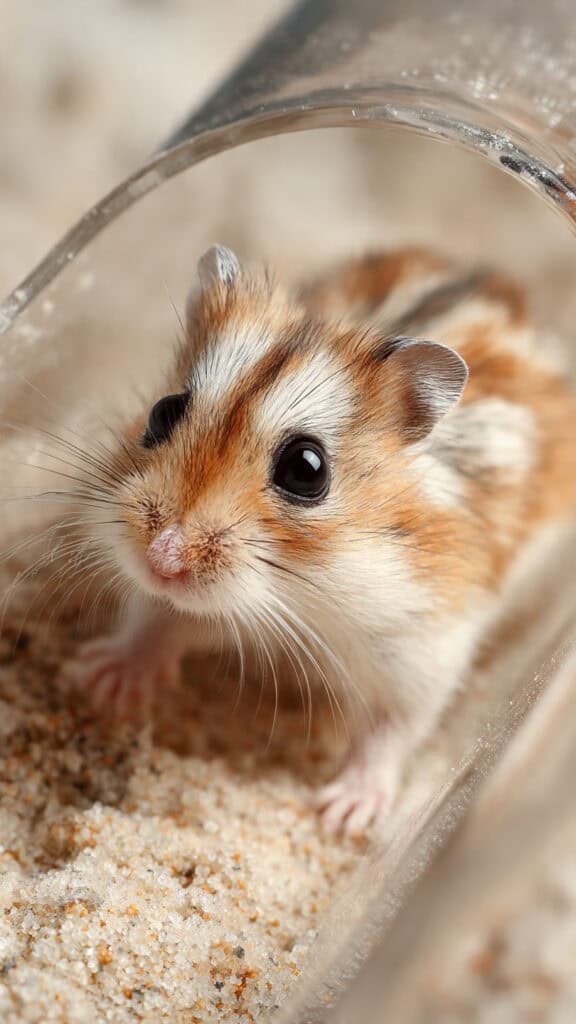
Tiny but Full of Energy
Roborovski hamsters often called Robo hamsters are the smallest common pet hamster. Blink, and you might miss them running past.
They’re incredibly entertaining to watch, even if they’re not always easy to hold.
What Makes Them Different
- Very fast and curious
- Less cuddly, more “look-don’t-grab”
- Can live in pairs or small groups if introduced properly
- Extremely active tunnel builders
Unlike Syrian hamsters, Robos are social. That’s rare in hamsters.
Basic Facts
- Length: 3–4 inches
- Weight: About 1 ounce
- Lifespan: 3–3.5 years
Good for: Observing, experienced owners, small spaces
Challenging for: Young kids who want to hold their pet a lot
Learn more about Roborovski hamsters read Roborovski Hamster: Complete Care Guide for Beginners & Owners
3. Chinese Hamster

Small, Calm, and Often Misunderstood
Chinese hamsters are often mistaken for dwarf hamsters, but they’re actually their own species.
They’re slim, with a slightly longer tail, and they move in a more relaxed way compared to other small hamsters.
Personality Notes
- Gentle and curious
- Can be shy at first
- Easier to tame than many dwarf breeds
- Prefer living alone
They’re not always easy to find in pet stores, which adds to their “rare” reputation.
Basic Facts
- Length: About 4 inches
- Weight: 1–2 ounces
- Lifespan: 2–3 years
Good for: Patient owners, quieter homes
Not ideal for: Loud environments or rough handling
4. Campbell’s Dwarf Hamster
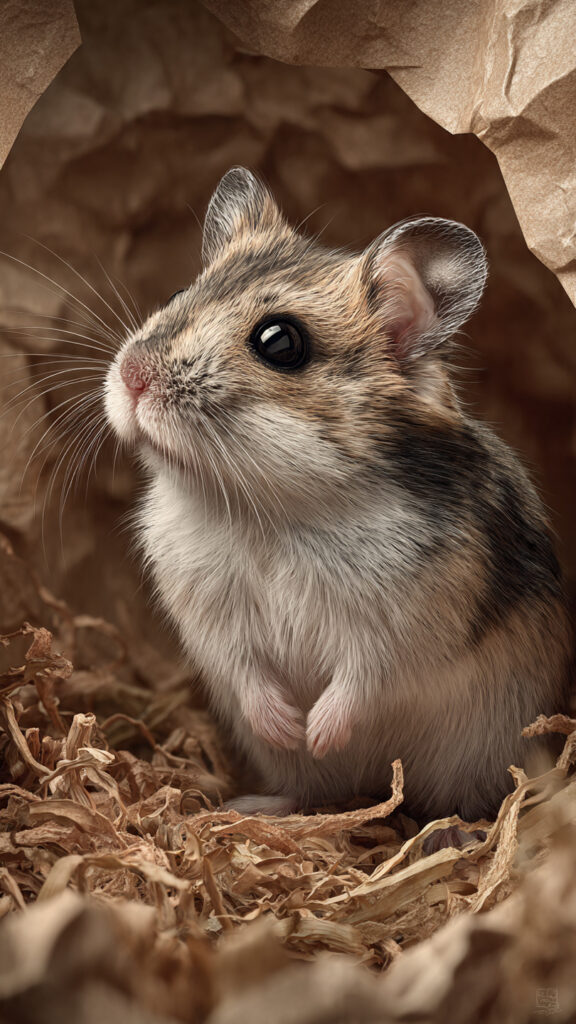
Cute, But Needs Respect
Campbell’s hamsters are energetic and alert. They’re not bad pets but they do have strong opinions.
If startled, they may nip. It’s not aggression; it’s fear.
Important Things to Know
- Very fast and active
- More sensitive to stress
- Prone to diabetes (diet matters a lot)
- Can live in pairs if raised together
If you choose this breed, feeding becomes extra important. This guide helps a lot:
👉 Hamster and Food: Feeding Guide With Safe & Unsafe Food
Basic Facts
- Length: About 3 inches
- Weight: Around 1 ounce
- Lifespan: 1.5–2 years
Good for: Experienced owners
Not great for: Small kids or frequent handling
5. Winter White Hamster
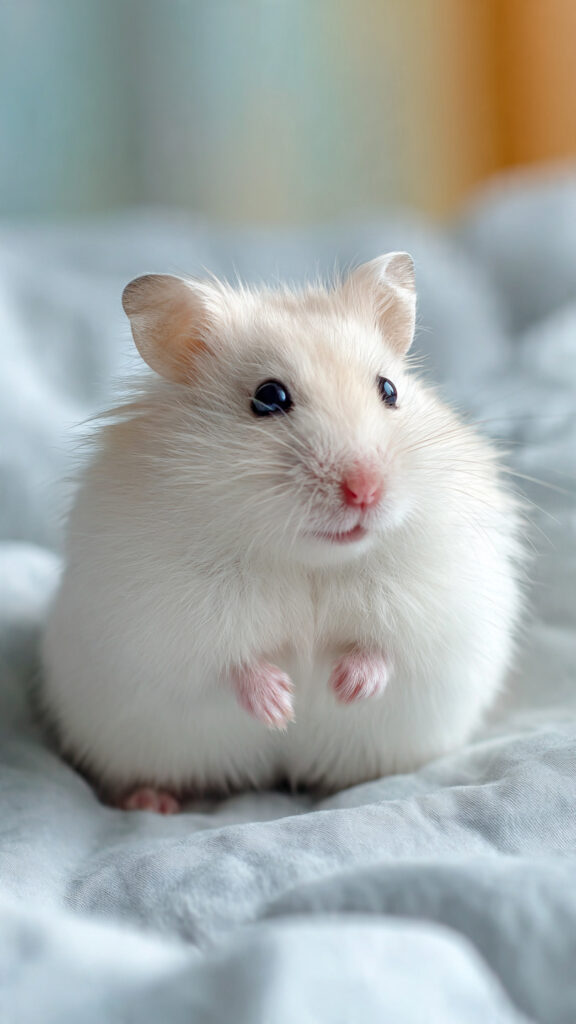
The Snowball With a Sweet Side
Winter White hamsters are famous for their ability to turn lighter sometimes almost white during colder months.
They’re round, fluffy, and generally calmer than Campbell’s hamsters.
Why People Love Them
- Gentle temperament
- Curious but cautious
- Can bond well with regular handling
- Beautiful coat changes
They’re still quick, though. No hamster is truly “slow.”
Basic Facts
- Length: 3.5–4 inches
- Weight: 0.75–1.75 ounces
- Lifespan: About 2 years
Good for: Calm homes, patient owners
Needs: Consistent interaction to stay friendly
The Five Most Popular Hamster Breeds
A Quick Word About Bedding, Food, and Sleep
No matter which hamster you choose, a few things apply to all of them:
- Bedding matters. Some types can cause breathing issues.
👉 Hamster Bedding: How to Choose the Best Bedding for Your Hamster - Food isn’t just seeds. Variety keeps them healthy.
- Hamsters are nocturnal. If your pet sleeps all day, that’s normal.
Also, many new owners panic when their hamster barely moves in winter. Sometimes it’s not hibernation but it looks scary.
👉 Do Hamsters Hibernate?
Are Hamsters Really Low Maintenance?
Yes… and no.
They don’t need walks. They don’t need training classes. But they do need:
- Clean cages
- Proper diets
- Gentle handling
- Protection from heat and cold
If that still sounds doable, you’re on the right track. You might also like:
👉 Top 10 Low Maintenance Pets for Busy People and Beginners
FAQs
1. Are Syrian hamsters friendly?
Yes, Syrian hamsters are generally friendly and easy to handle. They are larger and calmer than most other hamster species, making them ideal for beginners and families.
2. What are Syrian hamsters known for?
Syrian hamsters are known for their solitary nature, large size, and golden-brown fur. They are popular pets because they are easy to care for, interactive, and visually striking.
3. What is the smallest type of hamster?
The Roborovski hamster is the smallest hamster species, growing only about 2 inches (5 cm) long, making them tiny, quick, and perfect for small cages or watching their playful antics.
4. Is Roborovski hamster friendly?
Roborovski hamsters are very energetic but shy. They are less likely to bond closely with humans compared to Syrian hamsters, so they’re better suited for watching rather than frequent handling.
5. Is a Chinese hamster a good pet?
Yes, Chinese hamsters make great pets for calm and patient owners. They are curious, intelligent, and smaller than Syrian hamsters, but they are less tolerant of rough handling.
6. What is the lifespan of a Chinese Dwarf Hamster?
Chinese Dwarf Hamsters typically live 2–3 years with proper care, though some may live slightly longer in a healthy environment.
7. Which hamster is most friendly?
Syrian hamsters are generally the friendliest. They are larger, calmer, and easier to handle than dwarf or Roborovski hamsters, making them ideal for beginners and families.
8. How big do Campbell dwarf hamsters get?
Campbell’s dwarf hamsters grow to about 2.5–3 inches (6–8 cm) long, making them tiny, quick, and suited for small cages
9. Are Winter White hamsters friendly?
Winter White hamsters are gentle and curious, making them fairly friendly pets, especially when handled regularly from a young age.
10. What is the lifespan of a Winter White hamster?
Winter White hamsters typically live 2–3 years with proper care, though some can live slightly longer in a healthy environment.
Final Thoughts: Which Hamster Is Best?
If you want the safest choice, go with a Syrian hamster. There’s a reason they are the most popular pet hamster worldwide.
If you love watching tiny chaos unfold, Roborovski hamsters are endlessly fun. If you prefer calm and gentle, Winter Whites and Chinese hamsters are solid picks just be patient.
Hamsters are small, but they are not toys. Treat them kindly, learn their habits, and they’ll quietly become part of your daily routine.