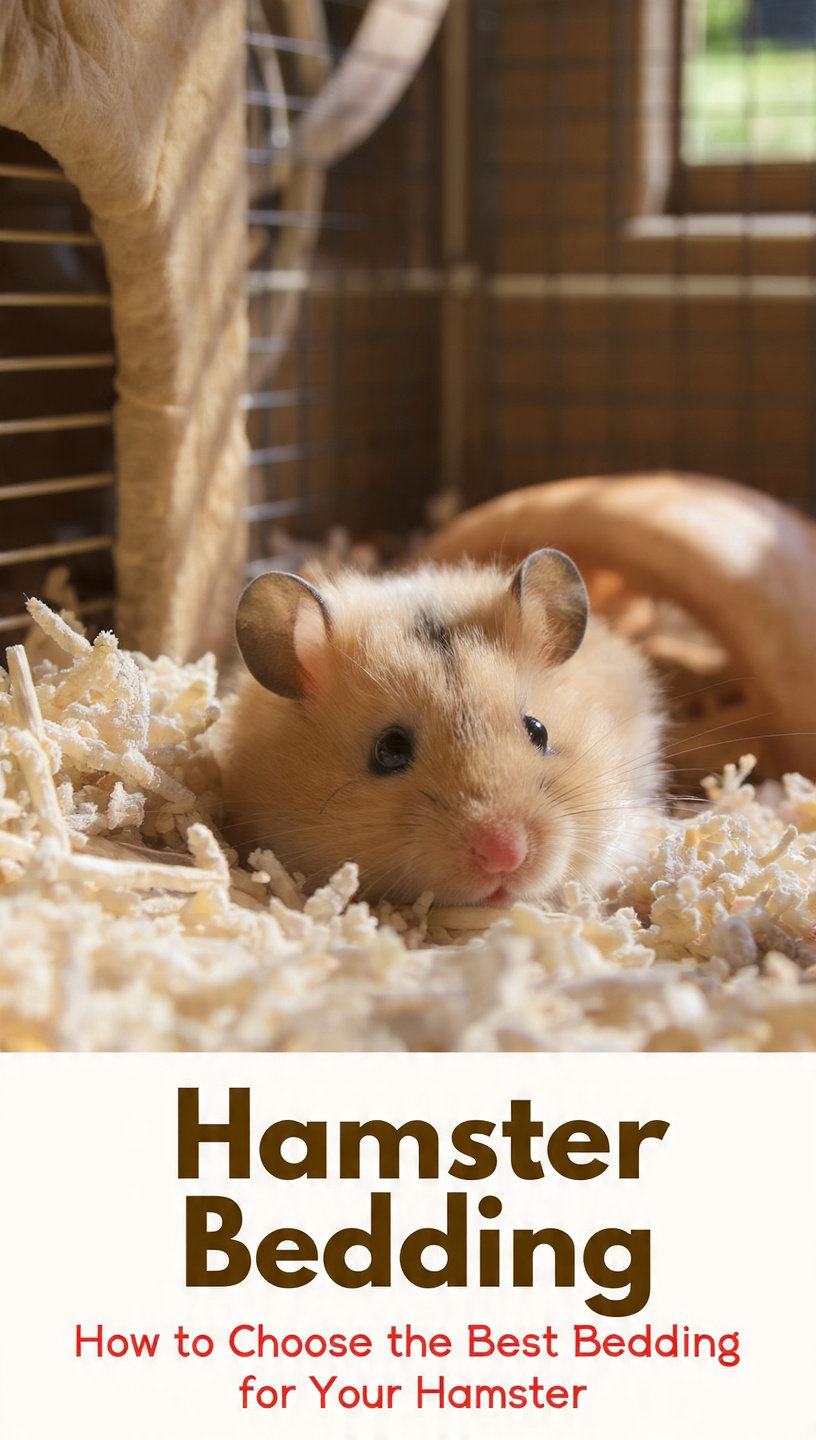

Hamster bedding might seem like a small detail, but if you want a happy, healthy hamster, it actually matters more than you think. The right bedding keeps your little friend warm, comfy, and safe. It also makes cleaning easier for you which, let’s be honest, is a big part of owning a hamster.
Whether you’re a first-time hamster parent or upgrading your pet’s cage, this guide breaks down everything about hamster bedding: types, pros and cons, how often to change it, and tips for creating a cozy little home.
If you’re just starting out, pairing this with our beginner-friendly guide 👉 10 Easy Tips on How to Take Care of a Hamster for Beginners is a smart move.
Why Hamster Bedding Matters
Comfort and Warmth for Your Hamster
Hamsters love to burrow. Their bedding isn’t just a place to stand on it’s their little world. Soft, absorbent bedding helps regulate temperature and keeps them cozy. Syrian hamsters, for instance, are bigger and might need more padding than dwarf hamsters.
Hygiene and Smell Control
Bedding also helps manage odors. The right material absorbs urine and keeps your hamster’s cage cleaner for longer. That said, some bedding, like cedar or pine, may smell nice to humans but can irritate a hamster’s lungs. Stick with safe options like paper-based bedding or aspen.
Encourages Natural Behavior
Hamsters naturally dig, nest, and hoard food. Bedding lets them do all of this safely. Observing your hamster snuggle into its bedding or hide treats in little tunnels is actually kind of mesmerizing.
Types of Hamster Bedding
Paper-Based Bedding
Paper bedding is soft, dust-free, and absorbent. Brands like Kaytee Clean & Cozy bedding are popular because they’re easy to clean and gentle on tiny feet. Paper bedding is great if you or your hamster have respiratory concerns.
Aspen Bedding for Hamsters
Aspen is a wood-based bedding that’s safe for hamsters and naturally absorbent. Unlike pine or cedar, it won’t release harmful oils. It’s a little more expensive than shredded paper, but many owners swear by it for Syrian hamster cages.
Small Pet Bedding and Other Options
There are also mixed small pet bedding options made for hamsters, gerbils, and mice. They’re usually paper-based or wood-based and often come pre-scented or un-scented. Always pick unscented for hamsters—they don’t need that extra perfume in their home.
Best Hamster Bedding for Different Breeds
Syrian Hamsters
Syrians are bigger and love burrowing, so thicker bedding layers are ideal. Combine aspen shavings with some shredded paper for extra fluff.
Dwarf Hamsters
Dwarf hamsters need smaller spaces and lower bedding piles. Too much bedding can overwhelm them, so keep it light but comfy.
Roborovski Hamsters
Roborovskis are fast and tiny, so fine, soft bedding is best. Avoid anything with large chunks—they can hurt their delicate feet.
Long-Haired “Teddy Bear” Hamsters
Teddy bear hamsters don’t need special bedding, but their long fur can trap dust and bedding bits. Paper bedding works well for keeping them clean and happy. Learn more about them 👉 What is a Teddy Bear Hamster?
How Often Should You Change Hamster Bedding?
Daily Spot Cleaning
Remove soiled areas daily. Hamsters hoard food and pee in little corners, so a quick daily clean keeps odors down.
Full Bedding Change
A full bedding change once a week works for most cages. Some owners with very small cages or dwarf hamsters do it every 5 days. Always watch your hamster for signs of irritation or odor buildup.
Cleaning Tips
Don’t use harsh chemicals; warm water and mild soap are fine for the cage itself. Let bedding dry completely before adding it back. This reduces bacteria and keeps your hamster healthy.
Safe vs. Unsafe Bedding Materials
Safe Bedding
- Paper-based bedding (Kaytee Clean & Cozy, shredded paper)
- Aspen shavings
- Small pet bedding blends (unscented)
Unsafe Bedding
- Cedar shavings (strong oils can harm lungs)
- Pine shavings (can irritate respiratory systems)
- Scented bedding (fragrances may stress hamsters)
Hamster Bedding Setup Tips
Layering Bedding
Start with a thin base layer of paper or aspen, then add a thicker layer on top. Syrian hamsters will love digging through it. Dwarf hamsters need less depth, so adjust accordingly.
Add Hiding Spots and Nests
Use small houses, tunnels, or toilet paper rolls so your hamster can build nests. They’ll burrow instinctively, and it keeps them entertained.
Combine Bedding with Cage Accessories
Pair bedding with hamster toys, wheels, and chew blocks for enrichment. Learn more about creating a full setup 👉 Hamster vs Guinea Pig: Which Pet is Right for You?
Bedding and Hamster Health
Respiratory Safety
Dust-free bedding is essential, especially for hamsters prone to sneezing or breathing problems. Paper-based bedding wins here.
Preventing Foot Problems
Soft bedding prevents “bumblefoot,” a painful condition on hamster feet caused by rough surfaces. Aspen and paper bedding are gentle yet supportive.
Reducing Stress
A cozy, well-structured bedding environment reduces stress, which can prevent odd behaviors like biting, hoarding excessively, or nibbling on cage bars.
Budget-Friendly Bedding Options
DIY Bedding
You can make safe bedding at home using shredded, non-toxic paper or recycled paper products. Avoid glossy magazines or colored inks.
Affordable Store-Bought Bedding
Look for Kaytee Clean & Cozy bedding or generic aspen bedding at Petco, Walmart, or other pet stores. Compare prices and quality—cheap isn’t always best if it harms your hamster’s health.
Seasonal Bedding Tips
Winter Bedding
Add extra layers to help your hamster stay warm, but avoid overcrowding the cage. Syrian hamsters will appreciate a thick burrowable layer.
Summer Bedding
Keep layers lighter to prevent overheating. Ensure ventilation is good in wire cages and never use bedding that traps heat excessively.
Year-Round Hygiene
Regular cleaning, layering, and rotation of bedding materials keep your hamster comfortable in all seasons. Learn more about hamster seasonal behaviors 👉 Do Hamsters Hibernate?
FAQs
1. What is the best bedding for hamsters?
The best bedding for hamsters is paper-based, dust-free, and absorbent, such as aspen shavings, recycled paper, or specialized hamster bedding. Avoid cedar and pine, which can irritate their lungs.
2. Which bedding material is best for hamsters?
Aspen shavings and paper-based bedding are ideal. They are safe, absorbent, and help control odors. Avoid softwoods with strong scents.
3. How often should a hamster’s bedding be changed?
Do a full bedding change once a week and spot clean any soiled areas every 2–3 days to keep your hamster healthy and the cage odor-free.
4. Do hamsters prefer paper or wood bedding?
Hamsters usually prefer soft, paper-based bedding for burrowing and nesting. Wood shavings like aspen are okay, but scented woods like cedar or pine should be avoided.
5. Can I use toilet paper for hamster bedding?
Yes, plain, unscented toilet paper can be used for temporary bedding, nesting, or lining small areas, but it shouldn’t replace proper bedding entirely.
6. What do I put at the bottom of my hamster’s cage?
Start with a layer of 2–3 inches of safe bedding like paper or aspen shavings. This provides comfort, insulation, and burrowing space.
7. What should I avoid for hamster bedding?
Avoid cedar, pine, scented, or recycled wood chips, as they can cause respiratory problems. Also avoid cotton fluff that can tangle around their feet.
8. What is the most common cause of death in hamsters?
The most common causes are old age, respiratory infections, and wet tail disease. Proper care, clean cages, and a healthy diet help prevent many health issues.
9. Do hamsters make your room smell?
Hamsters don’t usually smell if their cage is cleaned weekly and bedding is properly maintained. Spot cleaning soiled areas also helps keep odors minimal.
10. Can I comb my hamster?
Yes, you can gently comb long-haired hamsters using a small, soft-bristled brush. Avoid combing short-haired hamsters as it can stress them.
Final Thoughts on Hamster Bedding
Choosing the right hamster bedding isn’t complicated, but it’s worth thinking about. Start with soft, safe options like paper or aspen, layer it properly, clean it regularly, and adjust based on your hamster’s breed and size. Your hamster will be happier, healthier, and you’ll enjoy watching them burrow, nest, and explore their cozy little home.
And yes, a tiny hamster dragging a piece of bedding across the cage like it’s treasure is one of the cutest things you’ll ever see.
If you’re looking for other low-maintenance pet ideas alongside hamsters, check out 👉 Top 10 Low Maintenance Pets for Busy People and Beginners.