Introduction
Owning a pet can be one of life’s most rewarding experiences. But for many busy individuals or first-time pet owners, the idea of constant feeding, grooming, and playtime can feel overwhelming. That’s where low maintenance pets come in—they offer companionship and joy without demanding too much of your time or effort.

Whether you live in a small apartment, have a hectic work schedule, or are new to pet ownership, this guide will help you discover the best low maintenance pets that suit your lifestyle. From cuddly to curious, these pets are easy to care for and perfect for beginners.
Hamster vs Guinea Pig: Which Pet is Right for You?
What Are Low Maintenance Pets?
Low maintenance pets are animals that require minimal daily care, feeding, grooming, and attention. They don’t need constant human interaction, frequent walks, or elaborate setups. Instead, they are content with simple routines and can thrive in smaller living spaces.
Some key characteristics of low effort pets include:
- Simple feeding schedules
- Minimal grooming requirements
- Easy to clean habitats
- Independent behavior
- Compatibility with indoor or apartment living
These qualities make beginner-friendly pets ideal for people who may not have the time, energy, or resources to devote to more demanding animals.
Top 10 Low Maintenance Pets
Here’s a list of the top 10 low maintenance pets that are perfect for busy individuals or those new to pet ownership.
Betta Fish
Why it’s low maintenance:
- Compact habitat needs: Betta fish thrive in small tanks, starting from 2.5 gallons, making them ideal for apartments or limited space.
- No special equipment: They have a labyrinth organ that allows them to breathe air from the surface, so they don’t need air pumps or complex filtration systems.
- Low activity care: Betta fish don’t require frequent handling or constant attention, which suits busy owners.
- Vibrant appearance: Their colorful fins and elegant swimming patterns add visual appeal with minimal upkeep.

Care tips
• Tank size & cleanliness: Maintain a clean tank of at least 2.5 gallons with a heater to keep water between 76–82°F. Perform regular water changes (25–50% weekly).
• Feeding: Feed once or twice daily with high-quality betta pellets or freeze-dried bloodworms. Avoid overfeeding to prevent water contamination.
• Tankmates: Never keep two males in the same tank, as they are aggressive toward one another. Females may be kept together with care.
• Decor: Use smooth decorations and live or silk plants to enrich the environment and prevent fin damage.
Perfect for:
Ideal for small spaces and individuals seeking a low-commitment, peaceful pet with vibrant, soothing visuals.
Guinea Pigs

Why it’s low maintenance
• Gentle Temperament: Guinea pigs are naturally docile and friendly, making them easy to handle and great for first-time pet owners, especially children.
• Simple Grooming Needs: Unlike long-haired pets such as rabbits or cats, most guinea pigs only require occasional brushing, especially short-haired breeds.
• Uncomplicated Diet: Their nutritional needs are basic—mainly consisting of hay, a few pellets, and fresh vegetables. They do not need specialized or expensive foods.
• Independent but Social: They enjoy companionship (ideally from another guinea pig), but don’t demand constant attention from humans.
Care Tips
• Cage Setup: Choose a spacious cage (at least 7.5 square feet for one, more for pairs) with soft, absorbent bedding such as paper or fleece. Add tunnels and hideouts for enrichment.
• Diet: Always provide fresh hay (like timothy hay), guinea pig pellets fortified with vitamin C, and leafy greens like romaine lettuce and bell peppers.
• Cleanliness: Remove soiled bedding daily and perform a full cage clean once a week to prevent odor and illness.
• Health Check: Monitor their weight and behavior. Guinea pigs can hide illness, so early detection is key.
Perfect for: Families, kids, and busy individuals seeking a pet that’s social, manageable, and fun to care for.
Leopard Geckos

Why it’s low maintenance
• Hardy reptiles – Leopard Geckos are resilient to beginner mistakes and adapt well to captivity, making them ideal for first-time reptile owners.
• Quiet and odorless – Unlike many pets, they make no noise and produce little to no smell, perfect for shared living spaces or apartments.
• Minimal lighting needs – They don’t require UVB lighting, unlike many reptiles, reducing both setup complexity and energy use.
• Low interaction requirement – Leopard Geckos are solitary by nature and do not crave constant human attention. Occasional gentle handling is enough to build trust.
Care tips
• Habitat setup – A 10–20 gallon terrarium is sufficient, with a warm side heated to around 88–92°F using an under-tank heater and a cooler side at room temperature.
• Diet – Feed them live insects like crickets, mealworms, or dubia roaches 2–3 times per week. Dust food with calcium and vitamin D3 supplements.
• Enrichment – Provide at least two hiding spots (one on each side), a moist hide for shedding, and a shallow water dish for hydration.
Perfect for
• Reptile enthusiasts, apartment dwellers, or anyone seeking a unique, low-maintenance, and quiet pet that doesn’t demand daily attention.
Black Night Leopard Gecko; Appearance, Lifespan, Health, Care and Price
Cats

Why it’s low maintenance
Cats are independent animals, making them great companions for busy individuals. Unlike some pets that require constant attention, cats tend to clean themselves and don’t need to be walked. They also use a litter box, which simplifies the process of house training. Their independent nature allows them to entertain themselves, leaving you with more free time.
Care tips
- Litter box: Keep it clean and scoop it regularly to ensure your cat stays comfortable and happy.
- Feeding: Provide regular meals, but many cats will manage their own feeding routine, making it easy to maintain.
- Scratching posts and toys: To prevent your furniture from being scratched, offer scratching posts and interactive toys to keep your cat entertained.
- Veterinary care: Regular vet visits are essential for vaccinations and overall health. Be sure to take your cat for check-ups to avoid any health issues.
Perfect for
Cats are ideal for busy professionals or individuals who want a pet that doesn’t require constant attention but still offers companionship. Their self-sufficiency and easy care routines make them a great choice for people with tight schedules.
Hermit Crabs

Why It’s Low Maintenance
- Hermit crabs are inexpensive and do not require constant interaction, making them easy to care for.
- Their slow pace and unique behavior, such as shell-changing, offer an intriguing and low-effort experience for pet owners.
- They are perfect for individuals who want a pet but don’t have the time for high-maintenance animals.
Care Tips
- Terrarium Setup: Keep hermit crabs in a warm, humid environment with sand as the substrate. This replicates their natural habitat and ensures they stay comfortable.
- Shells: Provide multiple shells of different sizes so they can change into one when they outgrow their current shell. This is an important part of their well-being.
- Feeding: Feed hermit crabs with specialized commercial food, or fresh fruit bits. This provides essential nutrients without the need for elaborate meal prep.
Perfect For
- Hermit crabs are ideal for children or curious adults who are looking for an exotic but simple pet. They require little attention, making them great for people who appreciate observing rather than interacting heavily with their pets.
Turtles
Why it’s low maintenance
Turtles are a great option for those seeking a quiet, solitary pet. Their low-maintenance nature stems from their ability to thrive with minimal daily interaction, provided their environment is set up correctly.
Why They’re Low Maintenance
- Solitary Nature: Turtles prefer to be alone, making them easy to care for. Unlike social pets, they do not require constant attention or interaction.
- Long Lifespan: Turtles live for many years, which means they don’t require regular rehoming. With proper care, they can be a lifelong companion.
- Simple Daily Routine: Once their tank is correctly set up, their daily care involves just feeding them a balanced diet and keeping their tank clean.
Care Tips
- Basking Area & UVB Lighting: A basking area with appropriate UVB lighting is essential for their health. UVB light helps turtles absorb calcium, supporting shell growth and overall well-being.
- Tank Cleaning: Clean the tank biweekly to prevent the build-up of waste, ensuring a healthy environment.
- Balanced Diet: Provide them with a diet of turtle pellets and fresh greens to maintain optimal health. Some species may have specific dietary needs, so research is key.
- Know Your Species: Each turtle species has unique care requirements, so it’s important to understand the specific needs of the type you choose.
Perfect For
Long-term pet owners with adequate space for a water-and-land setup. Turtles thrive when given room to roam in both aquatic and terrestrial environments, making them ideal for people with larger spaces.
Hamsters

Why it’s low maintenance
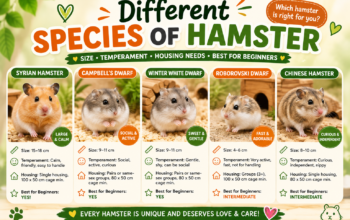
Hamsters are ideal low-maintenance pets for beginners due to their size, affordability, and independent nature. Learn more about the different types of hamsters, including the Teddy Bear Hamster.
Here’s why they’re easy to care for:
Why it’s low maintenance
- Small size: Hamsters take up little space, making them perfect for small living spaces like apartments.
- Independent: Hamsters are solitary creatures, meaning they don’t need constant interaction, making them suitable for owners with busy schedules.
- Affordable: They don’t require expensive care, and their food, toys, and accessories are inexpensive.
Care tips
- Spacious cage with tunnels and wheels: A hamster needs space to explore and exercise, so invest in a spacious cage with tunnels and an exercise wheel.
- Diet: Provide a balanced diet of pellets, seeds, and occasional treats. This ensures they remain healthy and active.
- Daily cleaning: Spot-clean their cage daily to keep it fresh and remove any waste.
- Weekly deep cleaning: Once a week, completely clean the cage and replace bedding to maintain hygiene.
if you want to learn more easy tips on care of Humsters the read:
10 Easy Tips on How to Take Care of a Hamster for Beginners
Perfect for
- Small apartments: Hamsters need minimal space, making them ideal for people living in tight spaces.
- Night owls: Hamsters are nocturnal, so they’re perfect for individuals who are active in the evening and night.
Budgies (Parakeets)
Why it’s low maintenance
Budgies, or parakeets, are small, social birds that are generally easy to care for compared to larger parrots. Their small size and calm nature make them great pets for first-time bird owners. They enjoy interacting with people and can even learn simple tricks or mimic sounds, adding charm to your home without demanding a high level of attention.
Care tips
- Fresh food and water: Offer a balanced diet of fresh seeds, water, and occasional fruits or vegetables. This ensures they get the nutrients they need without complex feeding schedules.
- Regular cage cleaning: Clean the cage at least once a week to maintain a hygienic environment and prevent any potential health issues.
- Supervised flight time: If possible, allow your budgie some supervised flight time outside of the cage. This provides exercise and mental stimulation, helping to keep your bird healthy and happy.
Perfect for
Budgies are ideal for people who want a lively, cheerful pet but don’t have the time or space for higher-maintenance animals like dogs or cats. Their sociable nature makes them perfect companions for those seeking a fun, low-maintenance pet with minimal fuss.
Snails (Aquatic or Land)

Why it’s low maintenance
Snails, whether aquatic or land-based, are a low-maintenance pet choice that offers a unique appeal to science enthusiasts and minimalists alike. Here’s a breakdown of why they are perfect for those looking for a simple pet and how to care for them:
Why They’re Low Maintenance
Snails require minimal care and attention, making them an ideal pet for people with a busy lifestyle. Their slow movement and tranquil nature provide a calming presence. Once set up, they mostly take care of themselves and don’t demand regular interaction or constant supervision.
Care Tips
- Environment: Keep snails in a moist environment or aquarium. If keeping them in an aquarium, ensure it has a secure lid to prevent escape.
- Diet: Feed them algae wafers or leafy greens, providing them with the essential nutrients for growth and health.
- Cleanliness: Snails benefit from a clean habitat, so remember to clean their environment monthly. This helps prevent the buildup of waste and keeps them healthy.
Perfect For
- Science Enthusiasts: Watching their slow movements and observing their feeding and reproductive behaviors can be fascinating for those interested in biology and ecosystems.
- Minimalists: Those who enjoy having a pet without the responsibility of constant care or attention will find snails to be the perfect companions.
In summary, snails make for an incredibly low-maintenance pet that offers the joy of observation without requiring much effort.
10. Ant Farms

Why it’s low maintenance:
• Self-sustaining colony – Once established, ants manage their own food distribution and tunnel construction.
• Minimal human interaction – No walking, bathing, or cleaning like traditional pets.
• Closed habitat – Most ant farms are sealed, reducing odor, mess, and escape risk.
Care tips:
• Keep it in a stable, shaded spot – Direct sunlight can overheat the ants or dry out the gel or sand habitat.
• Feed sparingly – A tiny bit of honey, sugar water, or bread crumbs every few days is sufficient.
• Avoid overwatering – If using a sand habitat, lightly moisten it only when it starts drying.
• Observe, don’t disturb – Resist tapping or shaking the container, which can stress the ants.
• Use a magnifying glass – Great for close-up observation of tunnels and teamwork, adding an educational benefit.
Perfect for
• Children learning about nature and science.
• Classrooms looking for an interactive educational tool.
• Adults or families who want a no-fuss pet without daily responsibility.
Ant farms are fascinating, self-contained ecosystems that provide a window into the complex world of insect behavior, making them one of the easiest and most educational low-maintenance pets available.
Ant Farms
How to Choose the Right Pet for You
When selecting a low maintenance pet, consider:
- Lifestyle: Do you travel often? Are you out most of the day?
- Living space: Do you have a backyard, or live in a studio apartment?
- Time commitment: Even easy pets need some daily attention.
- Allergies: Check for any potential issues with fur, dander, or feathers.
- Budget: Factor in upfront setup, food, and occasional vet visits.
Beginner-friendly pets don’t require a steep learning curve but still deserve love, clean environments, and proper care.
Final Thoughts on Low Maintenance Pets
Whether you’re a college student, a busy parent, or someone living alone in an apartment, low maintenance pets offer the chance to enjoy animal companionship without overwhelming responsibility. They are more adaptable to modern lifestyles and perfect for those starting their pet ownership journey.
Always remember: even the simplest pets require commitment. Choosing the right animal means understanding its needs and ensuring you can meet them—even if they’re minimal. And who knows? Your first low effort pet might be the beginning of a lifelong passion for animals.