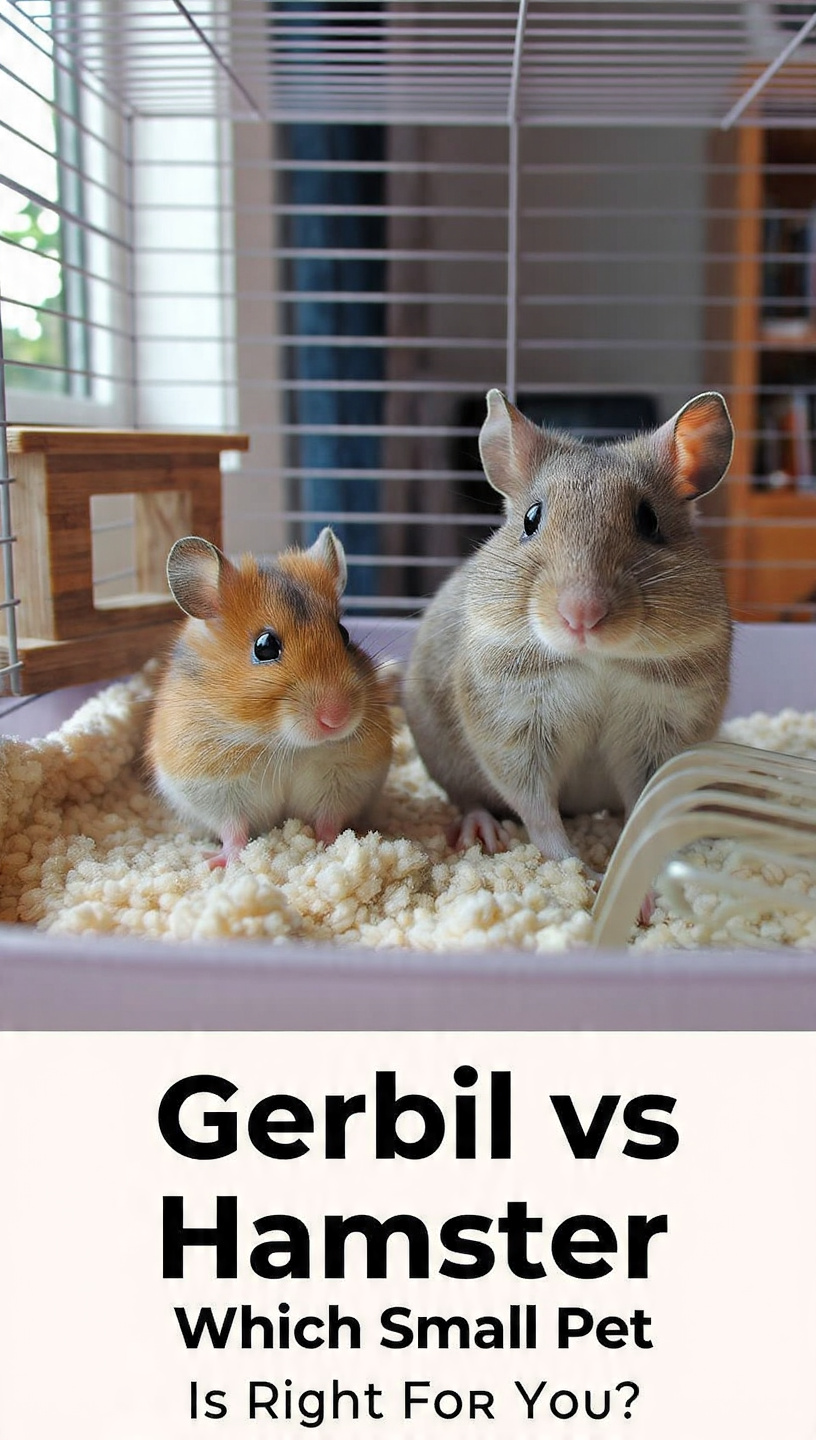
If you’re thinking about getting a small pet, chances are you’ve stared at cages full of hamsters and gerbils and wondered, “Which one should I choose?” On the surface, they both look tiny, fuzzy, and adorable. But when you start paying attention, you notice they are really different in personality, care, and even size.
In this guide, we’ll compare gerbil vs hamster, looking at everything from size to social habits, and even throw in a quick glance at how they stack up against guinea pigs. By the end, you should have a clear idea of which one fits your home best.
If you’re brand new to small pets, you might also want to check this detailed guide:
👉 How to Take Care of a Hamster: Complete Beginner’s Guide
Physical Differences: Gerbil vs Hamster Size
One of the first things most people notice is how different they look. Even though they’re both small, their size, shape, and tails tell a story about how they live and behave.
Size and Weight
Hamsters and gerbils aren’t huge, but there are noticeable differences:
| Pet | Length | Weight | Lifespan |
|---|---|---|---|
| Hamster | 5–9 inches | 4–5 oz | 2–3 years |
| Gerbil | 4–6 inches | 2–3 oz | 2–4 years |
So, if you want something a little bigger to hold easily, a hamster might feel more substantial. Gerbils are smaller, lighter, and sometimes faster than a hamster.
Body Structure and Appearance
Hamsters
Hamsters are generally rounder and more compact, with stubby tails that are often barely visible under their fur. Their chubby cheeks are not just adorable they’re designed to store food, which is why you will often see them carrying little pouches full of seeds around their cages.
This round shape gives hamsters a slower, more relaxed appearance, which matches their calmer behavior.
Gerbils
Gerbils, in contrast, have longer tails and leaner bodies, which make them look like little explorers always on the move. Their tails are often fur-covered and help with balance when they dig or jump around.
Gerbils’ faces are slightly more angular, with bright, alert eyes that seem to constantly scan their environment. Their whiskers twitch with curiosity, and they move quickly from tunnel to tunnel, giving them a lively, adventurous vibe.
In short, you can often tell who’s who just by looking: hamsters are the round, sleepy charmers, while gerbils are energetic, inquisitive, and always ready to investigate something new in their cage. T
his contrast in body structure also reflects how each species interacts with its habitat hamsters enjoy burrowing and sleeping in cozy spots, while gerbils prefer digging, climbing, and exploring.
Behavior and Personality Differences
Even if size doesn’t matter to you, their behavior definitely will. Understanding this part will help you avoid surprises.
Activity Patterns
Hamsters
Hamsters are mostly nocturnal, which means they are awake at night and sleep during the day. So if you’re hoping to play with your pet in the afternoon, you might get frustrated when your hamster just curls up and snoozes.
Gerbils
Gerbils, on the other hand, are crepuscular. That’s a fancy way of saying they’re most active at dawn and dusk. They like exploring when you’re around, so it can feel more interactive than a hamster.
Social Needs
One of the biggest differences is how much they like company.
Hamsters
Hamsters generally prefer to live alone. This is especially true for Syrian hamsters, which are naturally territorial. If you try to house two Syrian hamsters in the same cage, they can quickly start fighting, sometimes seriously, over space or food.
Even smaller breeds of hamsters, like Roborovskis or Campbell’s dwarfs, can become aggressive if their space is too small or if they feel stressed. Because of this, most hamster owners keep just one per cage to avoid conflict and ensure their pet feels safe and comfortable.
Gerbils
Gerbils, on the other hand, are social animals and usually thrive when they have company. They are happiest in pairs or small groups, preferably of the same sex to prevent unwanted litters. Gerbils enjoy playing together, chasing each other, digging tunnels, and grooming one another.
Watching them interact can be very entertaining they have little social rituals, like nose-touching or playful nips, that show they’re happy and comfortable. Because of this social nature, keeping more than one gerbil can make their environment more stimulating and reduce boredom, which is important for their mental and physical health.
Temperament
Hamsters
Hamsters are generally slower and more docile once they’ve been tamed. They tend to move deliberately and prefer exploring at their own pace, which makes them ideal for beginners or kids who want a calm, easy-to-handle pet. That said, hamsters can bite if they’re startled, scared, or woken up suddenly especially during the day when they’re usually asleep.
With gentle handling, patience, and regular interaction, they usually learn to trust you and may even start approaching your hand for treats. Syrian hamsters, in particular, are known for being friendly once properly socialized, though they do prefer to live alone and may not tolerate cage mates well.
Gerbils
Gerbils, on the other hand, are naturally curious, energetic, and playful. They love exploring their surroundings, digging tunnels, and interacting with toys in their cage. Because of their high energy, they’re more likely to investigate anything new you introduce whether it’s a small tunnel, a toy, or even your finger. Gerbils are less likely to bite than startled hamsters, but they are quick and agile.
This speed means that if the cage lid is left open, they can dart out in a flash, so secure enclosures are essential. Despite their quickness, gerbils are very social and, with regular handling, can become affectionate and enjoy gentle petting or climbing on your hand.
Habitat and Care Comparison
Whether it’s bedding, cages, or diet, each of these pets has slightly different needs.
Cage and Bedding
Hamsters
Hamsters need cages that give them plenty of space to move and explore. A good cage should have enough room for a running wheel, tunnels, and at least one hideout where they can feel safe and secure. Hamsters enjoy having cozy corners to curl up in, especially Syrian hamsters, who can be a bit more territorial.
For bedding, paper-based options or aspen shavings work best because they’re soft, absorbent, and safe for a hamster’s sensitive lungs. Avoid cedar or pine bedding, as the oils in these woods can cause respiratory irritation and even long-term health problems.
For more details on bedding:
👉 Hamster Bedding: How to Choose the Best Bedding for Your Hamster
Gerbil
Gerbils, on the other hand, are natural diggers, and their cages need to reflect that instinct. A deep layer of bedding often 6 inches or more is ideal so they can dig tunnels, make burrows, and hide treats. Gerbils love to dig and explore, and watching them build intricate tunnel systems can be really entertaining.
They also enjoy sand baths, which allow them to roll around and groom themselves naturally. You can provide a shallow dish of chinchilla-safe sand a few times a week, which keeps their fur clean and reduces oil buildup.
Unlike hamsters, gerbils are social and curious, so having multiple burrows and hiding spots encourages them to interact with each other and feel secure in their environment.
Diet and Feeding
Hamsters
Hamsters and gerbils both enjoy a diet based on seeds, grains, and fresh vegetables, but their nutritional needs and eating habits differ slightly. Hamsters need a varied diet to stay healthy, which includes high-quality hamster pellets, fresh vegetables like carrots and broccoli, and occasional protein sources such as boiled eggs, mealworms, or small bits of cooked chicken.
Here’s a helpful guide on what’s safe and not safe:
👉 Hamster and Food: Feeding Guide With Safe & Unsafe Food
Gerbils
Gerbils, on the other hand, have similar dietary preferences but are smaller and more active during the day. This means they eat smaller portions more frequently. A good gerbil diet includes a mix of gerbil-specific pellets, fresh greens, and occasional seeds or grains. Gerbils also enjoy occasional treats like small pieces of fruit, but sugary or sticky foods should be avoided to prevent digestive issues.
Both pets require fresh water daily, and it’s important to provide clean dishes or a water bottle to prevent contamination.
By paying attention to portion size, food variety, and hydration, you can ensure that both hamsters and gerbils remain happy, healthy, and energetic ready to explore and play in their cages.
Handling and Interaction
When it comes to handling small pets, hamsters and gerbils behave very differently, and understanding this can make your bonding experience much smoother.
Hamsters
Hamsters are usually slower and more predictable, which is why they’re often recommended for beginners. You can gently scoop a hamster up in your palm, let it explore your hands, and they’ll often sit calmly while you hold them.
Syrian hamsters, in particular, enjoy being handled once they get used to your presence, though they do prefer a routine and may be a bit shy at first.
Gerbils
Gerbils, on the other hand, are naturally curious and energetic. They’re quick, love to explore their surroundings, and can sometimes dart around when you try to pick them up. This means you’ll need a bit more patience at first.
One helpful trick is to let gerbils climb onto your hand voluntarily by offering a small treat, rather than chasing them. Over time, pets gerbils learn to trust your hands and may even enjoy brief playtime outside their cage.
Both hamsters and gerbils benefit from gentle, consistent handling, but there’s a subtle difference: hamsters are easier to hold immediately, while gerbils reward patient owners with playful, interactive bonding.
Remember, rough handling or sudden movements can stress either species, so always approach slowly, talk softly, and let the animal set the pace. With time and care, both types of small pets can become affectionate companions that enjoy interacting with their human caretakers.
Health and Lifespan
While hamsters and gerbils are generally hardy small pets, they can face certain health problems if their care isn’t consistent. Understanding these issues early can help you prevent them and keep your pet happy and active.
Hamsters
Hamsters, especially Campbell’s dwarf and other small breeds, are prone to diabetes. Symptoms include excessive drinking, frequent urination, and unexplained weight loss. Respiratory problems are also common, particularly if bedding is dusty, made from cedar or pine, or if their cage isn’t cleaned regularly. Other minor issues can include wet tail, skin irritation, or overgrown teeth.
Gerbils
Gerbils are generally healthy but can suffer from dental issues, especially if they don’t have enough hard food or chew toys to wear down their constantly growing teeth. Tail injuries can occur if they’re handled roughly or if they get their tails caught in cage bars or accessories.
Gerbils are also prone to skin mites or fungal infections, particularly if their bedding is damp or not changed frequently.
Prevention Tips for Both Pets
- Regular Cage Cleaning: Replace bedding at least once a week and spot clean daily to remove waste.
- Safe Bedding: Use paper-based or aspen bedding to reduce dust and avoid respiratory problems.
- Balanced Diet: Provide fresh water, appropriate seeds, grains, vegetables, and occasional protein for hamsters. Gerbils require a similar diet in smaller portions.
- Chew Toys and Accessories: Offer wooden sticks, cardboard tubes, or chew blocks to keep teeth healthy.
- Observation: Watch for changes in eating, drinking, or activity levels. Early detection of health problems makes treatment much easier.
By following these simple guidelines, most health issues in hamsters and gerbils can be avoided. Keeping your small pet happy, safe, and active ensures they live their full, joyful lifespan.
Life Expectancy
One important factor when choosing between a hamster and a gerbil is how long they typically live.
- Hamsters usually live 2–3 years
- Gerbils live a bit longer on average, around 2–4 years
Hamsters
Hamsters usually live about 2–3 years, though this can vary depending on the breed, diet, and how well you care for them. Syrian hamsters, for example, are on the larger side and often reach the upper end of that range, while smaller dwarf hamsters sometimes live shorter lives.
Gerbils
Gerbils tend to live a bit longer, averaging around 2–4 years. With proper care, a healthy gerbil can even reach four years or slightly more, making them a slightly longer-term companion. Gerbils are also generally hardy and less prone to some of the health issues that affect certain hamster breeds, like diabetes in Campbell’s hamsters.
Gerbil vs Hamster vs Guinea Pig
Sometimes people wonder, “Why not a guinea pig?” Well, all three are small pets, but they’re really different.
- Guinea pigs are larger, need more space, and are social but slower than gerbils.
- Hamsters are smaller, nocturnal, and often solitary.
- Gerbils are small, social, and curious explorers.
For a detailed comparison:
👉 Hamster vs Guinea Pig: Which Pet is Right for You?
Which Pet Should You Choose?
For Beginners or Kids
If this is your first small pet, a hamster especially a Syrian can be easier. They’re slower, easier to handle, and less likely to escape.
For Social Interaction
If you want a pet that plays, explores, and sometimes interacts with another pet, a gerbil is ideal. They enjoy company and are more active during the times you’re awake.
For Small Spaces
Both can live in apartments or small rooms. Hamsters need slightly bigger cages for exercise, and gerbils need deeper bedding for tunnels.
Quick Summary Table
| Feature | Hamster | Gerbil |
|---|---|---|
| Social | Prefer alone | Prefer pairs/groups |
| Activity | Nocturnal | Crepuscular |
| Size | 5–9 inches | 4–6 inches |
| Lifespan | 2–3 years | 2–4 years |
| Handling | Docile, slower | Curious, playful |
FAQs
1. Which is a better pet, gerbil or hamster?
Gerbils are social, active, and curious, making them great for owners who enjoy interaction. Hamsters are more independent and often prefer solitude. If you want a pet that enjoys company, gerbils are usually better; for a low-maintenance pet, a hamster works well.
2. Are gerbils a rat?
No, gerbils are not rats. They belong to a different species and are generally smaller, cleaner, and less aggressive than rats.
3. Do gerbils like being held?
Gerbils can enjoy being held if gently and gradually handled from a young age. They prefer short handling sessions and need a calm environment to feel safe.
4. Is a hamster a type of gerbil?
No, hamsters and gerbils are different animals. Hamsters belong to the subfamily Cricetinae, while gerbils belong to the subfamily Gerbillinae.
5. What’s friendlier, hamster or gerbil?
Gerbils are generally considered friendlier because they are social, curious, and enjoy interacting with both humans and other gerbils. Hamsters can be more solitary and less tolerant of handling.
6. Why is it called a gerbil?
The name “gerbil” comes from the Arabic word jarbū or French gerbille, meaning “little tail,” which reflects their small size and long tail.
7. What lives longer, hamster or gerbil?
Gerbils usually live longer, averaging 3–5 years, while most hamsters live 2–3 years depending on the species and care.
8. What is the friendliest pet hamster?
Syrian hamsters are considered the friendliest and easiest to handle because of their larger size and calmer nature.
9. What is the most aggressive type of hamster?
Roborovski hamsters are generally the fastest and most energetic, but Syrian hamsters can be the most aggressive, especially toward other hamsters. They are solitary animals and may bite if threatened.
10. Can hamsters recognize their owners?
Yes, hamsters can recognize their owners by scent, voice, and handling. Regular interaction helps them feel comfortable and may even allow them to respond to your presence.
Conclusion
So, gerbil vs hamster, which is better? Honestly, it depends on your lifestyle. Hamsters are great if you want a calmer, slower pet to hold and watch. Gerbils are better if you want a playful, social little explorer that interacts more during your day.
No matter what you choose, both are small, entertaining, and can fit into almost any home. Treat them kindly, give them the right cage, food, and attention, and you’ll have a tiny companion that brings joy—without taking up much space.
And honestly that little rustle of fur at night or the curious twitch of a nose during playtime becomes kind of comforting after a while.