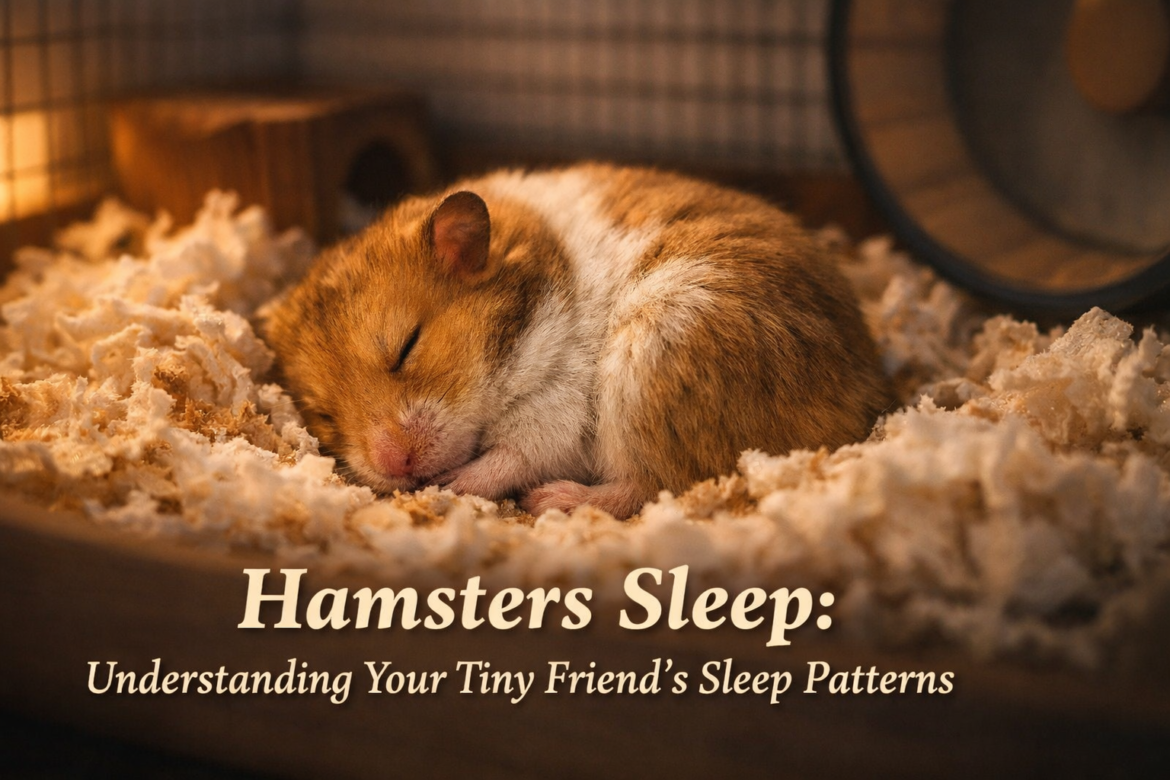
If you’ve ever glanced at your hamster and wondered whether it’s just staring at you or actually catching some shut-eye you’re not alone. Hamsters are tiny, curious creatures with sleep habits that can seem utterly baffling, especially if you’re used to a dog that sleeps at night or a cat that’s… well, mostly asleep but occasionally judgmental. Understanding how hamsters sleep, when they sleep, and how much they need is crucial not just for your curiosity but also for your pet’s well-being.

How Long Do Hamsters Sleep?
Most hamsters are nocturnal, which means they’re night owls by nature. Unlike humans, who tend to follow a single long sleep cycle at night, hamsters sleep in multiple bouts throughout the day and night. On average, a healthy hamster can sleep anywhere from 12 to 14 hours per day, though this can fluctuate depending on age, activity level, and breed.
For instance, Syrian hamsters often sleep a bit longer than dwarf varieties, simply because they’re bigger and burn more energy during play sessions.
You might notice that your hamster seems to vanish in its cage during the day. Don’t worry—it’s not plotting anything. Hamsters have evolved this way in the wild to avoid predators. Therefore, what looks like mysterious inactivity is just normal, healthy sleep behavior.
For more insights on general hamster care, check out our pillar page: How to Take Care of a Hamster: Complete Beginner’s Guide.
How Many Hours Do Hamsters Sleep?
While 12–14 hours is the broad average, some hamsters can sleep up to 16 hours a day, especially when they’re younger or after a particularly energetic playtime. Older hamsters, on the other hand, may nap more frequently but in shorter bursts. If you find your hamster sleeping much less than the usual range, it could be a sign of stress, illness, or an uncomfortable environment.
For example, a hamster in a cage that’s too bright, noisy, or exposed to drafts might wake up repeatedly, interrupting natural sleep patterns. Ensuring a cozy, quiet hideout with proper bedding can make a huge difference. Our guide on Hamster Bedding: How to Choose the Best Bedding for Your Hamster goes into detail about creating the perfect sleep setup.
How Long Should Hamsters Sleep?
Thinking in terms of “should” is tricky because each hamster is a little different. Generally, the sleep needs are tied to activity levels. A hamster that spends hours running on its wheel or exploring tunnels may require longer recovery sleep. Conversely, a hamster that’s a bit more sedentary may sleep slightly less.
If your hamster is consistently restless or appears lethargic, it’s worth checking other aspects of care. Diet, cage setup, and mental stimulation all play roles in healthy sleep. Consider reading our article on 5 Top Hamster Toys for Mental and Physical Stimulation to see how play affects sleep patterns.
Do Hamsters Sleep with Their Eyes Open?
Here’s one of those weird but true hamster quirks: some hamsters appear to sleep with their eyes open. It can look a bit unsettling if you’re new to these tiny pets, but it’s generally normal. Hamsters have a unique way of keeping an eye out for threats, even while they’re resting lightly.
However, there’s a caveat: if your hamster frequently sleeps with wide-open eyes and seems otherwise unwell lethargic, shivering, or losing weight—it’s worth consulting a vet. Conditions like Hamster Wet Tail: Symptoms, Causes, Treatment, and Survival Guide can sometimes disrupt normal rest, and early intervention is crucial.
When Do Hamsters Sleep?
Since hamsters are nocturnal, you’ll notice a peak in activity during the evening and early night hours. Daytime naps are normal and are often quite deep—so much so that you might think your hamster is “ignoring” you on purpose. But they’re just following their internal clock, which is tuned for survival instincts from their wild ancestry.
If you want a hamster that’s active when you are, you might consider scheduling interaction sessions during the early evening. But don’t force it; overstimulation during natural sleep periods can lead to stress and even behavioral issues, like bar biting or chewing, which we cover in Why Is My Hamster Biting the Cage Bars?.
Creating the Perfect Sleep Environment
A hamster’s environment has a huge impact on its sleep. Here’s what to focus on:
- Cage Location: Quiet corners away from bright sunlight and household traffic.
- Bedding: Deep, soft, and absorbent to allow burrowing. Think shredded paper or aspen shavings—not cedar, which can irritate lungs.
- Hideouts: Little houses or tunnels where they feel safe. Multiple options are better; it lets them pick where to snooze.
- Temperature: Comfortable room temperature, generally between 65–75°F (18–24°C). Extreme cold or heat disrupts rest.
These small adjustments can drastically improve sleep quality, which in turn affects mood, longevity, and even your hamster’s willingness to interact with you.
Monitoring Sleep Without Disturbing It
It’s tempting to poke and prod, especially with a hamster that looks like it’s in deep slumber. But try to observe quietly. Over time, you’ll notice patterns: when they wake, eat, run, and burrow. This can tell you a lot about their health without stressful handling.
For other behaviors related to stress and health, check our cluster pages like Why Is My Hamster Shaking? Causes and Solutions or Hamster Diseases: What Every Pet Owner Should Know.
Balancing Interaction with Sleep Needs
If you’re a busy pet parent, you might wonder: “Can I adjust my hamster’s schedule to mine?” The short answer is: not really. They have natural rhythms that are hard to change without stressing them. But you can maximize bonding by offering evening playtime and creating a sleep-friendly daytime environment.
For more ideas on low-maintenance pets for a busy lifestyle, Top 10 Low Maintenance Pets for Busy People and Beginners is worth a read. Hamsters are surprisingly easy once you respect their sleep habits.
Hamster hibernation and torpor
FAQs
1. How long does a hamster sleep?
Most hamsters sleep around 12 to 14 hours a day, though some can stretch it to 16 hours, especially if they’re young or particularly active at night. It’s not one long stretch either—they nap in chunks.
2. How to tell if a hamster is sleeping?
At first glance, it’s not always obvious. A sleeping hamster will usually be curled up, breathing slowly, and tucked into bedding or a hideout. Sometimes they barely move at all. If you’re unsure, just watch quietly—no need to poke them. They’ll eventually twitch or adjust position.
3. Do hamsters sleep deeply?
Yes… and no. They can fall into deep sleep, especially during the day, but they’re also wired to wake quickly if something feels off. It’s a survival instinct. So while they do rest deeply, they’re never completely unawar
4. Is it normal for hamsters to sleep a lot?
Absolutely. It might feel excessive compared to other pets, but for hamsters, it’s completely normal. Their nocturnal nature means most of their “awake life” happens when you’re probably winding down.
5. Do hamsters need light at night?
Not really. In fact, they prefer darkness. Bright lights at night can actually stress them out and disrupt their natural rhythm. A dim, quiet environment works best.
6. How do I know if my hamster is happy?
A happy hamster is usually active at night, curious, and engaged—running on the wheel, exploring, or nibbling on toys. On the flip side, constant hiding, aggression, or lack of movement can signal something’s off.
7. Can I leave my hamster for 2 nights?
You can, but it’s not ideal unless everything is carefully prepared—enough food, clean water, and a secure cage. Still, things can go wrong (like a blocked water bottle), so having someone check in is the safer option.
8. Do hamsters remember their owners?
Yes, in their own way. They may not “remember” like a dog does, but they can recognize your scent and voice over time. With consistent, gentle handling, they often become more comfortable and less skittish around you.
9. Why is my hamster sleeping more than usual?
Sometimes it’s harmless—like after a particularly active night. But if the change feels sudden or extreme, it could point to stress, boredom, or even illness. Context matters here. Look at their eating, movement, and general behavior.
10. Do baby hamsters sleep more than adults?
Yes, definitely. Baby hamsters (around a few weeks to a couple of months old) tend to sleep more because they’re growing rapidly. Think of it like how human babies nap constantly—it’s part of development.
Final Thoughts
Hamsters sleep a lot, but understanding their sleep habits makes you a better observer, caregiver, and friend. Remember, nocturnal habits, multiple sleep cycles, quirky behaviors like open-eye napping, and individual variations are all normal. By tailoring the environment and respecting their patterns, you’ll notice a happier, healthier hamster—and maybe even catch a rare moment of playful interaction during the evening.