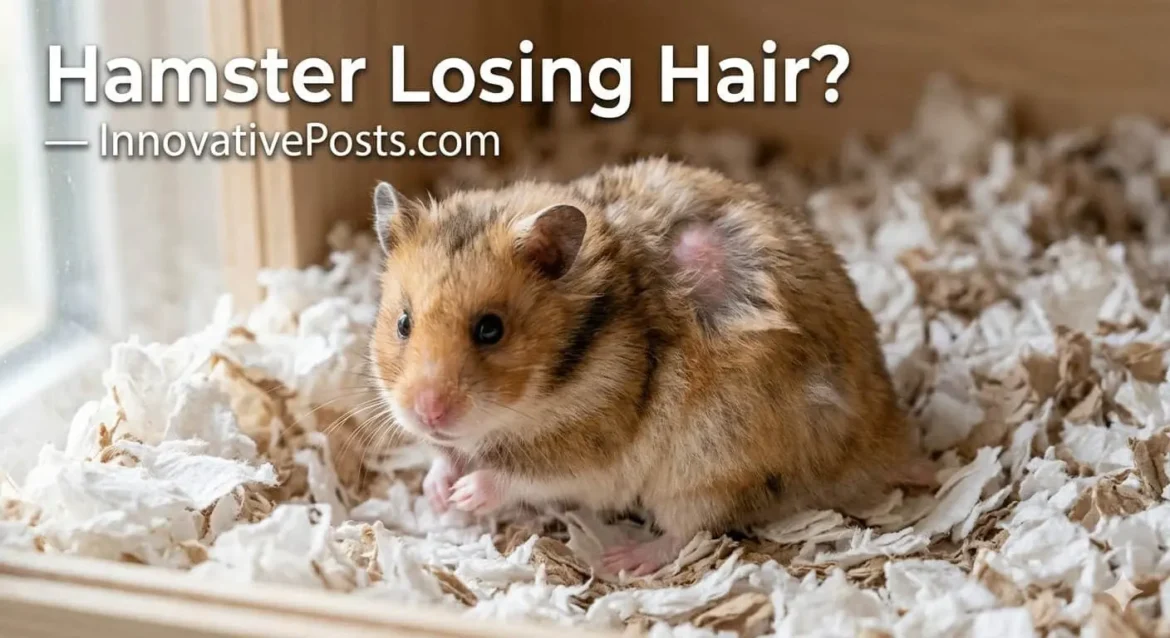
Is your hamster losing hair? From natural shedding to serious health conditions — discover all 10 causes, vet-backed treatments, and when to act fast.
Noticing bald patches on your hamster? You're not alone — hamster hair loss (alopecia) is one of the most searched hamster health concerns in 2026. It can be caused by something as simple as seasonal shedding or as serious as a parasitic infection or hormonal disease. Before you panic, read this complete guide. If you're new to hamster ownership, start with our Complete Hamster Care Guide to build a solid foundation for your pet's health.
Hair loss in hamsters is medically known as alopecia. According to PetMD, it can result from hair actually falling out, failure of hair to regrow, or physical damage to the hair shaft through rubbing or "barbering." The key is identifying where the hair loss is happening, how fast it's spreading, and what other symptoms accompany it. Let's break it all down.
Is Hamster Hair Loss Normal?
Not all hair loss in hamsters is a red flag. Veterinary experts at Animals First confirm that hamsters shed or moult regularly, with spring and autumn being peak shedding seasons. Syrian and Russian hamsters tend to shed more than Chinese and Roborovski types.
| Situation | What It Looks Like | Status |
|---|---|---|
| Seasonal shedding (spring/fall) | Slightly thin coat, even across body | Normal |
| Thinning that regrows within 2 weeks | Minor coat change, no skin visible | Normal |
| Age-related thinning (2+ years) | Gradual coat thinning overall | Usually Normal |
| Patchy bald spots | Circular bald areas, skin visible | See a Vet |
| Hair loss + scratching/itching | Restless, rubbing against cage walls | See a Vet |
| Hair loss + appetite change | Not eating, lethargic alongside bald spots | Urgent — Vet Now |
| Hair loss + flaky or red skin | Dandruff, crusty or inflamed patches | See a Vet |
10 Causes of Hamster Hair Loss
Understanding the root cause is essential before treating. Here are the 10 most common reasons your hamster is losing hair — from the most harmless to the most serious.
Seasonal Shedding (Molting)
Natural coat renewal happens in spring and autumn. Fur looks temporarily thin but regrows evenly within 2 weeks. No treatment needed — just monitor.
Friction & Rubbing
Hamsters that rub against cage bars, metal wheels, or tight hideouts develop bald spots at friction points — typically face, nose, belly, and paws. Switch to a smooth plastic wheel and check cage accessories.
Demodex Mites (Most Common Parasite)
According to Veterinary Partner VIN, Demodex mites are the most common infectious cause of patchy hair loss in hamsters. They live in hair follicles, causing dry, scaly skin and bald patches — especially on the back and rump. Requires vet-prescribed treatment such as Selamectin or Ivermectin.
Ringworm (Fungal Infection)
Despite the name, ringworm is a fungal infection that creates circular bald patches with flaky, yellowed or red skin. It's contagious to humans — always wear gloves when handling a suspected ringworm hamster. Treated with antifungal shampoos (miconazole or povidone-iodine based).
Nutritional Deficiencies
Low protein, B vitamins, or iron in the diet leads to brittle, thinning hair. Seed-only diets are common culprits. Switch to quality pellet food and supplement with cooked eggs, whole grains, and fresh vegetables. This is closely linked to issues covered in our Hamster Not Eating Guide.
Barbering by Cage Mates
If your hamster shares a cage, dominant hamsters often chew on weaker ones' fur — a behaviour called "barbering." This causes short, uneven patches. Separate the hamsters immediately if you suspect this is happening.
Stress
A hamster under chronic stress may over-groom itself or stop grooming altogether, leading to coat damage. Stressors include small cage size, loud noises, lack of hides, or frequent handling. Review your hamster's environment and ensure it has enough burrowing space and enrichment.
Allergic Reaction / Bedding
Cedar wood shavings and dyed paper bedding can irritate a hamster's sensitive skin, causing rashes and fur loss. Switch to plain paper bedding (like Carefresh or unscented white) immediately if you suspect a reaction.
Hormonal Imbalances (Cushing's Disease)
Overproduction of cortisol — known as hyperadrenocorticism or Cushing's disease — weakens hair follicles, causing widespread, symmetrical hair loss. This typically affects middle-aged to older hamsters and requires a full vet workup including blood tests.
Kidney Disease / T-Cell Lymphoma
Rare but serious — chronic kidney disease and T-cell lymphoma (a skin cancer) can both manifest as hair loss. These typically appear alongside weight loss, increased thirst, lethargy, and appetite changes. Requires immediate veterinary diagnosis.
- Hair loss spreading rapidly across the body within days
- Open wounds, bleeding, or raw skin under bald patches
- Hamster is lethargic, not eating, or unusually aggressive (pain sign)
- Excessive scratching to the point of self-injury
- Hair loss accompanied by extreme weight loss or increased thirst
- Circular bald ring with red/flaky skin (possible ringworm — contagious!)
Where Is Your Hamster Losing Hair?
The location of hair loss is often the first clue to the cause. Here's a quick guide:
| Location of Hair Loss | Most Likely Cause | Action |
|---|---|---|
| Face / Nose area | Leaky water bottle rubbing, cage bar friction | Check water bottle seal, switch to bowl |
| Back & rump (symmetrical) | Demodex mites or hormonal imbalance | See a vet for skin scraping |
| Belly / Stomach | Age-related, stress over-grooming | Monitor + improve enrichment |
| Legs & paws | Metal exercise wheel friction | Replace with solid plastic/silent wheel |
| Circular patch anywhere | Ringworm (fungal infection) | Vet immediately — contagious to humans |
| All over body gradually | Nutritional deficiency or kidney disease | Diet review + vet if no improvement |
Hair Loss by Hamster Breed
Different hamster breeds have different shedding tendencies and health vulnerabilities. Here's what to know for your specific breed:
🐹 Syrian Hamster
Heaviest seasonal shedder. Most prone to Demodex mites and adrenal tumours. Long-haired Syrians may show hair thinning around flanks. Flank glands (dark pigmented spots) are normal anatomy — not a disease.
🐹 Winter White Dwarf
Coat changes colour seasonally (grey to white) which may look like patchy hair loss. True alopecia is less common but watch for mites and nutritional deficiencies.
🐹 Campbell's Dwarf
More prone to diabetes and obesity which can indirectly affect coat health. Hair loss alongside excessive thirst needs urgent veterinary attention.
🐹 Roborovski Hamster
Least prone to hair loss overall. If a Robo shows bald spots, mites or allergic bedding reactions are the most likely culprits.
🐹 Chinese Hamster
Sheds less than Syrian and Russian types. Hair loss in Chinese hamsters is more likely linked to stress or barbering if housed in pairs.
For a deeper dive into specific breed needs, see our Roborovski Hamster Care Guide.
How to Treat Hamster Hair Loss
Treatment depends entirely on the cause. Here is a step-by-step approach to addressing hair loss at home and when to escalate to a vet:
-
1Identify the Location and Pattern. Is it symmetrical? Patchy? Spreading? Take a photo daily for a week to track changes. This information helps your vet enormously.
-
2Check and Change Bedding. Remove cedar shavings or dyed paper bedding immediately. Replace with plain, unscented paper bedding. Wait 10–14 days to see if coat improves.
-
3Review the Diet. If your hamster is eating a seed-only diet, switch to high-quality pellets with at least 16% protein. Add small amounts of cooked egg, whole grains, or fresh vegetables weekly. Review our Hamster Feeding Guide for a complete diet plan.
-
4Remove Friction Sources. Replace metal wheels with solid plastic silent wheels. Check for cage bar gaps where the hamster might be rubbing its face. Remove any rough decorations from the cage.
-
5Separate Cage Mates. If you house more than one hamster and notice uneven patchy hair loss, separate them immediately. Syrian hamsters should always be housed alone.
-
6Deep Clean the Cage. Regardless of the cause, thoroughly disinfect the cage, all accessories, and toys. Replace all bedding. This removes any parasites, mites, or fungal spores that may be present. See our Hamster Cage Cleaning Guide for the right technique.
-
7Reduce Stress. Ensure the cage is at least 80×50cm (ideally larger), provide multiple hides, deep bedding for burrowing, and an appropriate-sized wheel. Limit handling to calm, short sessions until the hamster is recovered.
-
8Visit an Exotic Vet. If hair loss persists beyond 2 weeks or is accompanied by any other symptoms, see an exotic vet. They will perform a skin scraping to check for Demodex mites, a DTM test for ringworm, and blood panels for hormonal or organ disease.
- Switch to plain paper bedding (no cedar, no dye)
- Upgrade diet to 16%+ protein pellets
- Replace metal wheel with smooth plastic one
- Deep clean cage and replace all bedding
- Separate cage mates if barbering is suspected
- Provide larger cage with multiple hides to reduce stress
- Monitor daily and photograph progress
- Visit exotic vet if no improvement in 14 days
What Happens if Hair Loss is Left Untreated?
Ignoring hamster hair loss can have serious consequences depending on the cause. According to veterinary guidance from PetMD, untreated alopecia can progress to:
- Skin infections from exposed, vulnerable skin
- Self-trauma from excessive scratching (open wounds)
- Anaemia if parasites (mites/fleas) are the cause and multiply
- Loss of appetite and rapid weight loss
- Spread of ringworm to other pets and family members
- Progression of underlying organ disease (kidney failure, lymphoma)
Bald patches can take 4–6 weeks to regrow after successful treatment — sometimes longer in hamsters with underlying conditions. Stay consistent with treatment and always follow up with your vet if there's no improvement.
Will My Hamster's Hair Grow Back?
In most cases, yes — hamster hair will regrow once the underlying cause is treated. Here's a realistic timeline:
| Cause | Expected Regrowth Time | Notes |
|---|---|---|
| Seasonal shedding | 1–2 weeks | No treatment needed |
| Friction / wheel rub | 2–4 weeks after fixing source | Remove friction cause first |
| Nutritional deficiency | 4–8 weeks after diet change | Consistent feeding required |
| Demodex mites | 4–6 weeks post-treatment | Prescription medication needed |
| Ringworm | 4–8 weeks post-antifungal | Thorough cage disinfection required |
| Hormonal imbalance | Variable — may need ongoing meds | Vet supervision essential |
| Kidney disease / lymphoma | Hair may not fully regrow | Palliative care focus |
How to Prevent Hair Loss in Hamsters
Prevention is far easier than treatment. A few simple changes to your hamster's care routine can dramatically reduce the risk of alopecia:
-
1Feed a Balanced Diet. Use high-quality pellets as the base diet. Avoid seed mixes as the primary food — they allow selective eating of high-fat seeds while avoiding protein-rich components. Treat our safe food guides as reference for healthy treats.
-
2Use Safe Bedding. Plain unscented paper bedding is the gold standard. Never use cedar or pine shavings. Change bedding regularly — at least partially every 3–4 days, with a full clean weekly. See our Cage Cleaning Guide.
-
3Provide a Large, Enriched Cage. Stress is a leading indirect cause of hair loss. A minimum 80×50cm cage with deep bedding, multiple hides, tunnels, and a silent wheel dramatically reduces stress levels.
-
4Avoid Exposure to Other Rodents. Mites and ringworm spread between animals. Never let your hamster interact with wild rodents or recently acquired pets without quarantine.
-
5Regular Health Checks. Run your fingers gently along your hamster's coat 2–3 times a week to check for any thinning, bald spots, or skin changes. Early detection means faster treatment. Learn more in our Hamster Diseases Guide.
Frequently Asked Questions (2026)
🐹 Final Verdict: Is Your Hamster's Hair Loss Normal?
Hamster hair loss ranges from completely harmless seasonal shedding to symptoms of serious underlying health conditions. The good news is that most causes — friction, nutritional deficiency, stress, or mild mites — are treatable at home with the right changes. Act quickly when you spot patchy, spreading, or symptom-accompanied hair loss, clean the cage thoroughly, review the diet, and don't hesitate to visit an exotic vet when in doubt. Your hamster's coat is a window into its overall health — keep a close eye on it! For a complete overview of hamster health and care, visit our Complete Hamster Care Guide.