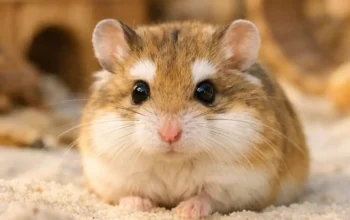
Finding the right pet when you have a busy schedule can be tricky. You want companionship, fun, and a little bit of joy but without a full-time commitment. Luckily, there are several small pets that fit perfectly into a busy lifestyle.
These low-maintenance pets are perfect for first-time owners, apartment dwellers, or anyone with a hectic schedule. Here are the best small pets for busy people.
1. Hamsters – Tiny, Adorable, and Low-Maintenance Companions
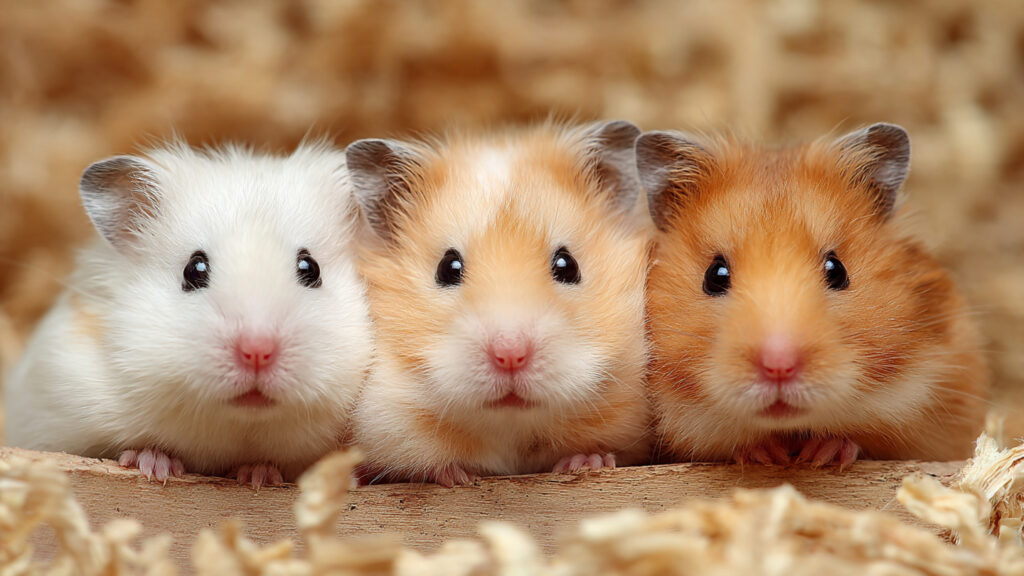
| Feature | Details |
|---|---|
| 📏 Length | 2–6 inches |
| ⚖️ Weight | 0.5–5 ounces (varies by breed) |
| 🐾 Body Shape | Compact, round body |
| 🐭 Tail | Very short and barely visible |
| 🧸 Fur | Soft, fluffy coat (varies in color and pattern) |
| 👂 Ears | Small, rounded ears |
| 🥜 Special Feature | Expandable cheek pouches for storing food |
| 💛 Personality | Gentle, curious, and easy to care for |
Hamsters are one of the most popular small pets worldwide, with over 18 species in the wild, though the Syrian hamster and dwarf varieties are most common in homes. They are tiny, nocturnal rodents that are surprisingly independent, making them ideal for busy people. On average, hamsters live 2–3 years, although with proper care, some Syrian hamsters can live up to 4 years.
These little creatures have cheek pouches that allow them to carry food back to their burrows or hide it in their cage—nature’s built-in snack storage! They’re also excellent at staying active indoors, especially with exercise wheels, tunnels, and chew toys that help prevent boredom and maintain their health.
Why they’re great for busy people:
- Low-maintenance care: A clean cage, fresh bedding, and a balanced diet of hamster pellets, vegetables, and occasional treats are enough to keep them happy.
- Minimal grooming: Hamsters are clean animals and groom themselves regularly.
- Compact and independent: Their small size and nocturnal nature make them ideal for apartment living or owners who are out during the day.
- Exercise lovers: With wheels, tunnels, and chew toys, they stay active and entertained without constant supervision.
Fun fact: Syrian hamsters can run up to 8 miles in a single night on their exercise wheels! That’s a tiny athlete in action.
For beginners, our How to Take Care of a Hamster: Complete Beginner’s Guide walks you through setup, feeding, and daily care. And if you want to keep your hamster physically active and happy, our Hamster Treadmill Guide has expert tips for safe exercise.
2. Gerbils – Social, Energetic, and Entertaining
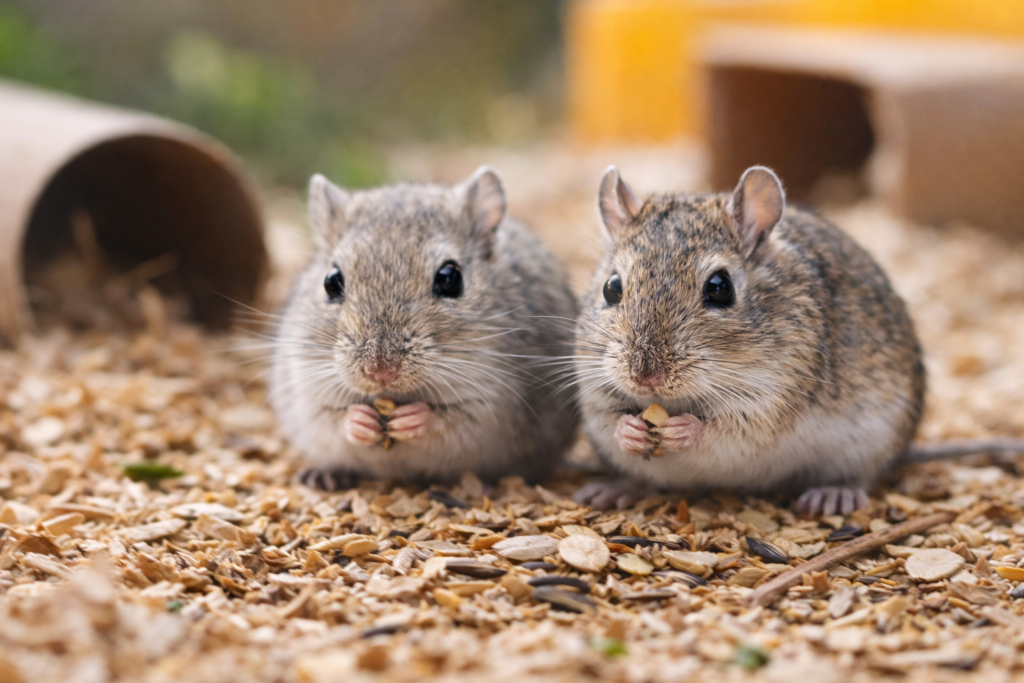
| Feature | Details |
|---|---|
| 📏 Length | 4–5 inches |
| ⚖️ Weight | 2–4 ounces |
| 🐾 Body Shape | Slender, agile body built for digging |
| 🐍 Tail | Long, furry tail (about the same length as the body) |
| 🧸 Fur | Dense, soft coat (commonly sandy, brown, or gray) |
| 🖐 Claws | Small but strong claws for burrowing |
| 🏃 Activity Level | Very active, playful, and curious |
| 👯 Social Nature | Highly social — happiest in pairs or small groups |
| 💛 Why People Love Them | Entertaining to watch and full of personality |
Gerbils are small, lively rodents native to arid regions of Asia and Africa. Popular as pets, Mongolian gerbils are the most common, prized for their friendly nature and ease of care. On average, gerbils live 3–4 years, making them a slightly longer-lived option than hamsters for busy owners.
These little adventurers are natural diggers and explorers, so they thrive in deep bedding or sand-filled habitats that let them burrow. Gerbils are extremely social animals and should ideally be kept in pairs or small groups to prevent loneliness and encourage natural behavior.
Why they’re great for busy people:
- Low-maintenance social pets: A secure cage, bedding, and balanced diet of gerbil food, seeds, and occasional veggies are all that’s needed.
- Independent yet interactive: They’ll play and explore while you’re away, entertaining themselves with tunnels, wheels, and chew toys.
- Clean and odor-minimized: Gerbils naturally produce little odor, especially with proper cage maintenance.
- Active and engaging: Watching them dig, hop, and interact can be a stress-relieving hobby for busy owners.
Fun fact: A gerbil can leap up to 13 inches in a single bound, demonstrating their natural agility and playful energy!
If you’re torn between a hamster or gerbil, our Gerbil vs Hamster: Which Small Pet Is Right for You? guide breaks down personality traits, lifespan, and care needs to help you pick the perfect companion.
3. Betta Fish– Vibrant and Simple to Care For
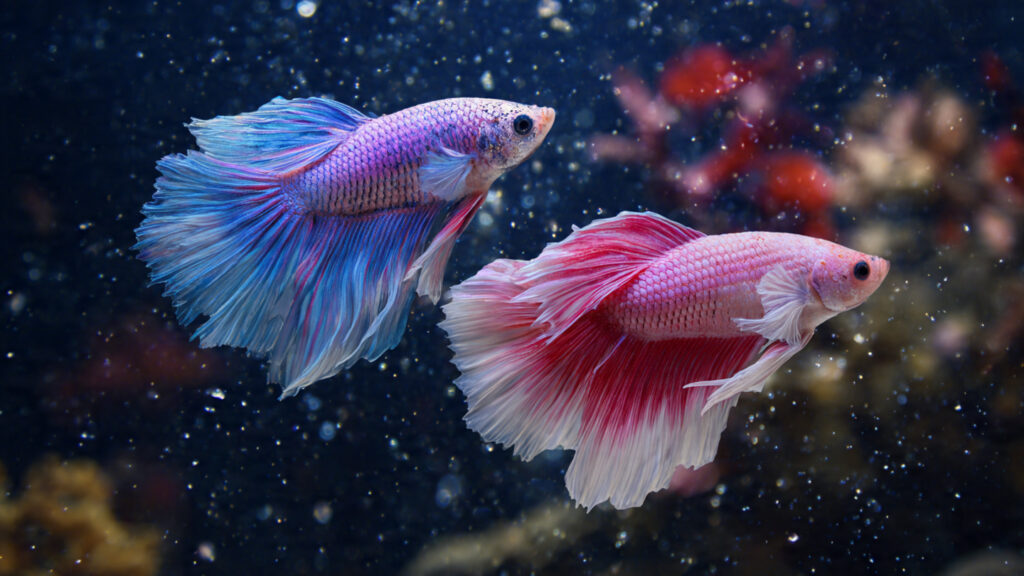
| Feature | Details |
|---|---|
| 📏 Length | 2.5–3 inches |
| ⚖️ Weight | 0.1–0.3 ounces |
| 🐟 Body Shape | Streamlined, graceful body built for smooth swimming |
| 🌊 Fins | Long, flowing fins (especially in males) |
| 🎨 Colors | Bright shades like red, blue, purple, white, and multicolor varieties |
| 👄 Mouth | Small, upward-facing mouth |
| 💧 Special Trait | Labyrinth organ allows breathing air from the surface |
| 💛 Personality | Bold, territorial, and interactive with owners |
| 🏠 Care Level | Simple to moderate (needs clean, warm water) |
Betta fish, also called Siamese fighting fish, are one of the most popular aquarium pets due to their vivid colors and striking fins. Native to Southeast Asia, they thrive in small tanks or bowls, making them ideal for busy people with limited space. Bettas are labyrinth fish, which means they can breathe surface air in addition to extracting oxygen from water—a unique trait that makes tank maintenance easier.
Average lifespan: 2–4 years, though with optimal care some can live up to 5 years.
Why they’re great for busy people:
- Low-maintenance beauty: Bettas need a clean tank, water changes every 1–2 weeks, and a simple feeding routine of high-quality pellets or frozen foods.
- Compact living requirements: They do not require large aquariums or elaborate setups, though a 5-gallon tank with a filter is recommended for health and longevity.
- Independent and engaging: Bettas are active, exploring their environment and interacting with decorations or floating plants, providing visual enjoyment without constant hands-on care.
- Colorful companions: With a range of stunning colors and fin types, they add aesthetic value to any room or workspace.
Fun fact: Male bettas are highly territorial, often flaring their gills to intimidate other males—but this also makes them fascinating to observe and photograph.
For anyone seeking a small, low-maintenance pet with personality and color, bettas are a perfect match for a busy lifestyle.
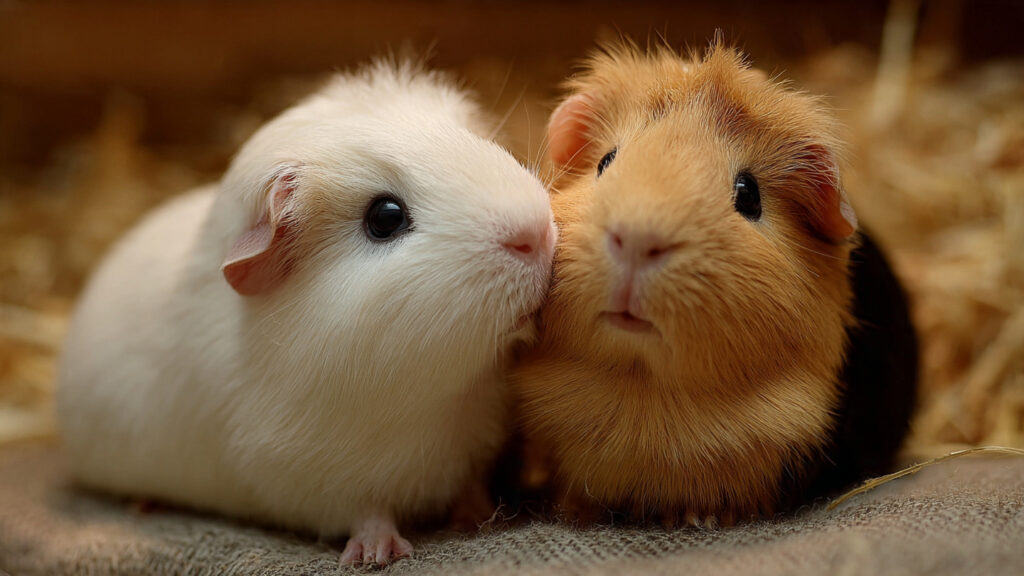
4. Guinea Pigs – Affectionate and Playful
| Feature | Details |
|---|---|
| 📏 Length | 8–12 inches |
| ⚖️ Weight | 1.5–2.6 pounds |
| 🐾 Body Shape | Rounded, sturdy body |
| 🦵 Legs | Short legs with small feet |
| 👃 Nose | Blunt, adorable nose |
| 🧸 Fur | Soft coat (can be short, long, or curly depending on breed) |
| 👂 Ears | Small, slightly droopy ears |
| 🎶 Sounds | Vocal — make cute “wheeking” sounds |
| 💛 Personality | Gentle, affectionate, and enjoy human interaction |
| 👯 Social Nature | Thrive in pairs or small groups |
Length: 8–12 inches
Weight: 1.5–2.6 pounds
Physical characteristics: Rounded body, short legs, soft fur, small ears.
Guinea pigs, also called cavies, are social, gentle rodents native to South America. They’re known for their friendly demeanor and vocalizations—squeaks, purrs, and chirps—which help owners understand their mood and needs. Unlike hamsters, guinea pigs are diurnal, meaning they’re active during the day, making it easier to interact with them even in a busy schedule.
Average lifespan: 5–7 years with proper care.
Why they’re great for busy people:
- Moderate care: Daily feeding of hay, fresh vegetables, and clean water is required, along with cage maintenance 2–3 times per week.
- Social interaction: They thrive in pairs or small groups, providing companionship for each other and for their owners.
- Gentle and playful: Guinea pigs enjoy exploring tunnels, hideouts, and chew toys, offering entertainment without constant supervision.
- Responsive and interactive: They often recognize their owners and may respond when called, creating a rewarding pet experience.
Fun fact: Guinea pigs have a unique habit called “popcorning”—jumping and flicking in excitement, which is always fun to watch and makes them a joy to observe in a busy household.
For guidance on choosing between a guinea pig and a hamster, check out our Hamster vs Guinea Pig: Which Pet is Right for You? guide.
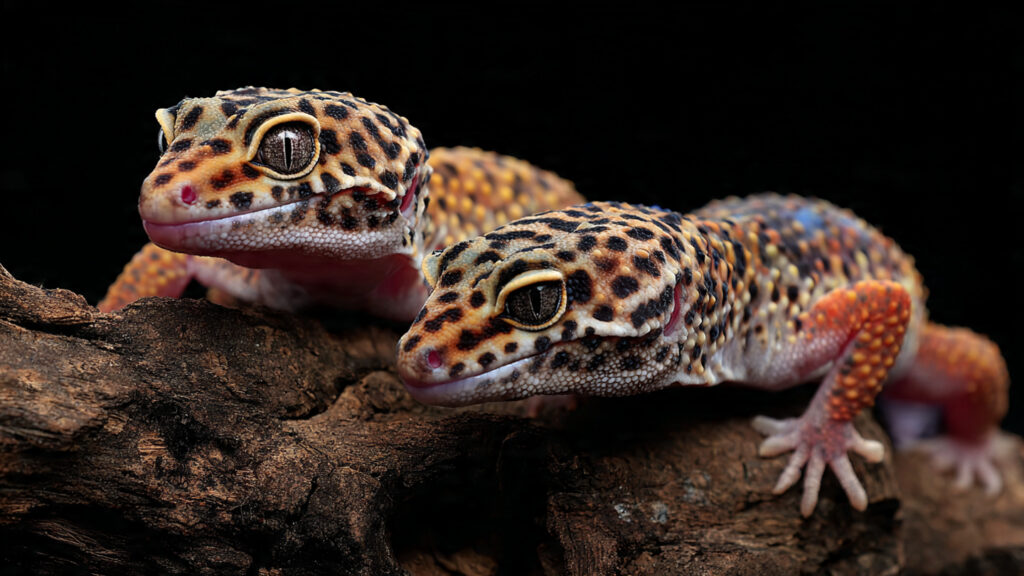
5. Leopard Geckos – Hardy and Fascinating
| Feature | Details |
|---|---|
| 📏 Length | 7–10 inches |
| ⚖️ Weight | 2–5 ounces |
| 🐾 Body Shape | Sturdy body with a thick, fat-storing tail |
| 🎨 Skin Pattern | Distinct spotted patterns (yellow, white, orange varieties) |
| 🧠 Head | Broad head with a slightly pointed snout |
| 👀 Eyes | Large eyes with movable eyelids (rare among geckos) |
| 🦶 Feet | Specialized toe pads for grip |
| 🌙 Activity Pattern | Mostly nocturnal |
| 💛 Temperament | Calm, hardy, and easy to handle |
| 🏠 Care Level | Low to moderate (requires proper heating and habitat setup) |
Leopard geckos are small, hardy reptiles from the deserts of Asia. They’re known for their gentle temperament, independence, and fascinating behaviors, such as tail waving and color changes during shedding. Leopard geckos are nocturnal, which aligns well with owners who have busy daytime schedules but want to observe their pets in the evening.
Average lifespan: 10–20 years, making them long-term companions.
Why they’re great for busy people:
- Low-maintenance reptile: They require a terrarium with heat regulation, humidity control, and a diet of live insects, which is straightforward compared to high-maintenance reptiles.
- Independent yet interactive: Geckos explore their environment and may respond to gentle handling without needing constant attention.
- Long-lived companion: With proper care, they can be a decade-long presence in a home, unlike small rodents with shorter lifespans.
- Educational and fun to watch: Their unique skin patterns, blinking eyelids, and tail movements make them captivating for kids and adults alike.
Fun fact: Leopard geckos can drop their tails when stressed (a process called autotomy) and later regenerate them—a natural defense mechanism that fascinates pet owners and herpetology enthusiasts.
or a complete care guide and detailed information Leopard Gecko.
Quick Tips for Choosing the Right Small Pet
- Consider Your Schedule: Even easy-care pets need regular feeding and habitat cleaning.
- Space Matters: Make sure your living space can accommodate the pet comfortably.
- Lifespan Awareness: Some pets, like hamsters, live shorter lives, while guinea pigs and geckos can live for many years.
- Provide Enrichment: Toys, tunnels, or climbing areas keep your pet active and happy.
For a broader list of pets that fit into busy lifestyles, check out our guide: Top 10 Low Maintenance Pets for Busy People and Beginners.
Comparison Table: The Best Small Pets for Busy People
| Pet | Length | Weight | Lifespan | Physical Characteristics | Care Level / Maintenance | Special Features |
|---|---|---|---|---|---|---|
| Hamster | 2–6 in | 0.5–5 oz | 2–3 years | Round body, short tail, soft fur, small ears, cheek pouches | Low | Nocturnal, enjoys wheels & tunnels, minimal grooming |
| Gerbil | 4–5 in | 2–4 oz | 3–4 years | Slender body, long tail, small claws, dense fur | Low | Social, active burrowers, secure cage needed |
| Betta Fish | 2.5–3 in | 0.1–0.3 oz | 2–4 years | Vibrant colors, flowing fins, small mouth | Low | Can live alone, easy feeding, needs tank maintenance |
| Guinea Pig | 8–12 in | 1.5–2.6 lbs | 5–7 years | Rounded body, short legs, soft fur, small ears | Moderate | Social animals, communicate vocally, need daily feeding & cage cleaning |
| Leopard Gecko | 7–10 in | 2–5 oz | 10–20 years | Spotted patterns, broad head, sticky toe pads | Low | Hardy reptiles, need terrarium with heat, eat live insects |
Quick Comparison for Busy People (Low-Time Commitment Pets)
If you have a tight schedule and want a low-maintenance small pet, this quick guide highlights the best options based on time, cleaning needs, and daily care effort.
| 🐾 Pet | ⏳ Daily Time Needed | 🧹 Cleaning Frequency | 🔊 Noise Level | 💛 Attention Needed | ⭐ Busy-Person Rating |
|---|---|---|---|---|---|
| 🐠 Betta Fish | 5–10 mins | Weekly partial water change | Silent | Low | ⭐⭐⭐⭐⭐ |
| 🐹 Hamster | 10–15 mins | Weekly cage cleaning | Quiet (active at night) | Low–Moderate | ⭐⭐⭐⭐☆ |
| 🦎 Leopard Gecko | 5–10 mins | Spot clean weekly, deep clean monthly | Silent | Low | ⭐⭐⭐⭐☆ |
| 🐭 Gerbil | 15–20 mins | Weekly bedding change | Quiet | Moderate (needs companion) | ⭐⭐⭐☆☆ |
| 🐹 Guinea Pig | 20–30 mins | Cleaning 2–3 times per week | Vocal | High (needs interaction) | ⭐⭐☆☆☆ |
Best Pets for Very Busy Owners
- Betta Fish – Minimal space, quick feeding, simple routine
- Leopard Gecko – Low daily effort, hardy reptile
- Hamster – Easy care but active at night
Fast Decision Tip
- If you want the least daily work → Choose a Betta Fish.
- If you want a quiet, low-interaction pet → Choose a Leopard Gecko.
- If you want a small furry companion with simple care → Choose a Hamster.
12 Best Small Exotic Pets for Apartment Living
FAQs
1. What is the best small pet?
The best small pet depends on your lifestyle. Hamsters, gerbils, betta fish, guinea pigs, and leopard geckos are top choices for busy people due to their low-maintenance care.
2. What are small pets called?
Small pets are often called “pocket pets” or “small companion animals,” including hamsters, gerbils, mice, and small reptiles.
3. What small animals can be pets?
Small animals suitable as pets include hamsters, gerbils, mice, guinea pigs, betta fish, and leopard geckos.
4. What are the top 5 smallest animals?
Among pets, the smallest commonly kept are hamsters, mice, gerbils, dwarf rabbits, and small reptiles like leopard geckos.
5. Which pet is easy to care for?
Easy-care pets include hamsters, gerbils, betta fish, and leopard geckos because they need minimal space, food, and daily interaction.
6. What are the 10 cutest animals?
Cute animals often kept as pets include hamsters, guinea pigs, kittens, puppies, rabbits, ferrets, hedgehogs, parakeets, chicks, and betta fish.
7. What are the 10 smallest animals?
Tiny pets include dwarf hamsters, mice, gerbils, small fish like bettas, leopard geckos, pygmy hedgehogs, dwarf rabbits, tiny turtles, stick insects, and small birds like finches.
8. What animal lives for 5 minutes?
The mayfly is famous for its very short adult lifespan, sometimes lasting only a few minutes to a day.
9. What is the tiniest pet in the world?
Among pets, dwarf hamsters and small fish like bettas are some of the tiniest, making them perfect for small spaces.
10. What animal is small and quick?
Small and quick pets include hamsters, gerbils, mice, and small lizards like geckos.
What is the best small pet?
A: The best small pet depends on your lifestyle. Hamsters, gerbils, betta fish, guinea pigs, and leopard geckos are top choices for busy people due to their low-maintenance care.
Final Thoughts
Having a busy life doesn’t mean you can’t enjoy the companionship of a pet. Hamsters, gerbils, bettas, guinea pigs, and leopard geckos are all excellent options for people who want a little joy without a lot of extra work.
Choosing the right small pet and setting up a simple care routine can make pet ownership stress-free and rewarding.