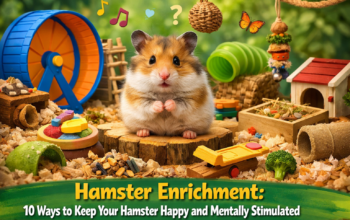
Hamsters are energetic and curious creatures. Keeping them mentally and physically stimulated with the best hamster toys is essential for their health and happiness. Without proper enrichment, hamsters can become bored, stressed, or develop behavioral problems such as biting or over-grooming.
Many owners wonder about the best options for hamster toys.
Investing in high-quality hamster toys can enhance your pet’s life.
In this guide, we’ll explore good hamster toys, including hamster chew toys, hamster wheel toys, wooden hamster toys, and hamster toys DIY options, to help keep your little friend happy and active.
Why Hamster Toys Are Important
Hamsters are natural explorers. In the wild, they dig, chew, and climb to find food and shelter. Providing the right pet hamster toys at home helps:
- Reduce boredom and destructive behavior
- Promote exercise and healthy weight
- Stimulate natural instincts like gnawing and burrowing
- Strengthen the bond between you and your hamster
Additionally, consider rotating the types of hamster toys you offer.
For a complete guide to hamster care, see our How to Take Care of a Hamster: Complete Beginner’s Guide.
Best Types of Hamster Toys
1. Hamster Wheel Toy
Let’s take a closer look at the best hamster toys available.
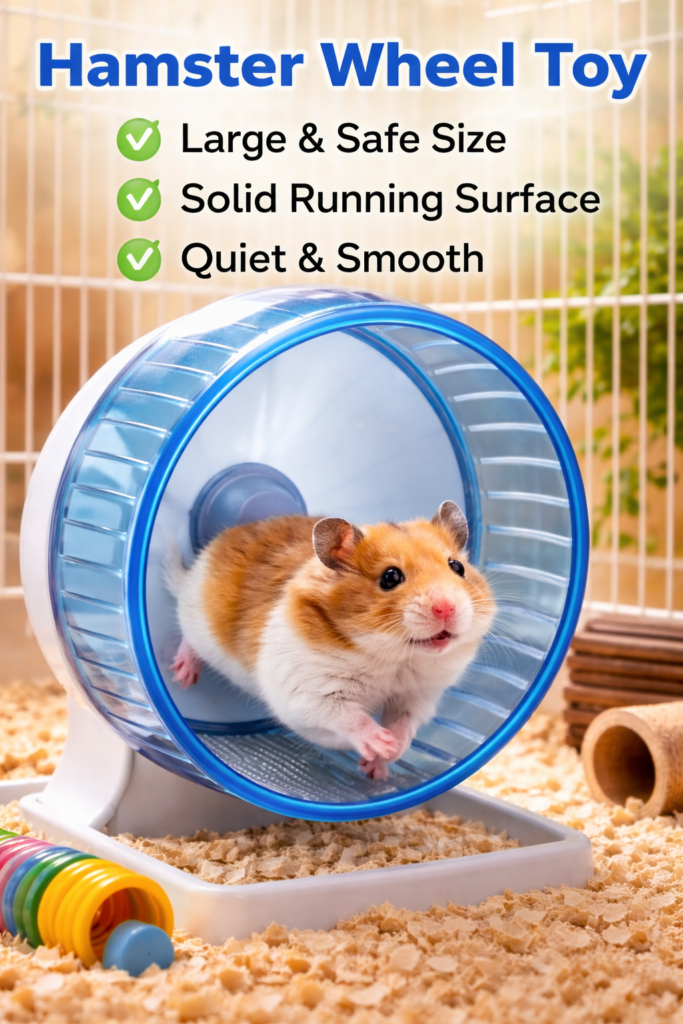
A hamster wheel toy is one of the most important additions to any cage. Some owners search for hamster toys with wheels or toy hamster in wheel, but for real pets, a properly sized exercise wheel is critical.
Tips for choosing the right hamster wheel toy:
- Size matters: Prevents back arching
- Solid surface: Safer than wire wheels
- Quiet design: Ideal for nighttime running
Learn more in our Hamster Treadmill: Safe Exercise Wheels guide.
2. Hamster Chew Toys and Gnawing Toys

Hamsters’ teeth grow continuously, making hamster chew toys and hamster gnawing toys essential.
Best hamster toys and chews include:
- Untreated wooden hamster toys
- Natural wooden blocks
- Cardboard tubes
- Mineral chews
Chewing prevents dental overgrowth and supports overall health. Pair this with our Hamster and Food: Feeding Guide With Safe & Unsafe Food for a complete care routine.
3. Tunnels and Hamster Toys That Move

Hamsters love exploring narrow spaces. Tunnels and interactive hamster toys that move add both physical and mental stimulation.
Some owners look for a toy hamster in a ball or rolling hamster toy, but real hamsters benefit more from:
- Safe tunnel systems
- Hide-and-seek treat games
- Rotating cage layouts
Avoid plastic exercise balls for long periods, as they may cause stress.
4. Climbing and Cage Enrichment Toys

These include various kinds of hamster toys that encourage play.
A well-designed cage should include enrichment beyond just a wheel. Adding pet hamster toys like:
- Rope bridges
- Multi-level platforms
- Wooden climbing ramps
- Hanging enrichment pieces
These improve agility and prevent boredom. For detailed cage setup advice, read our Hamster Cage Guide: Sizes, Types, Setup & How to Choose the Best One.
5. Puzzle Toys and DIY Hamster Toys
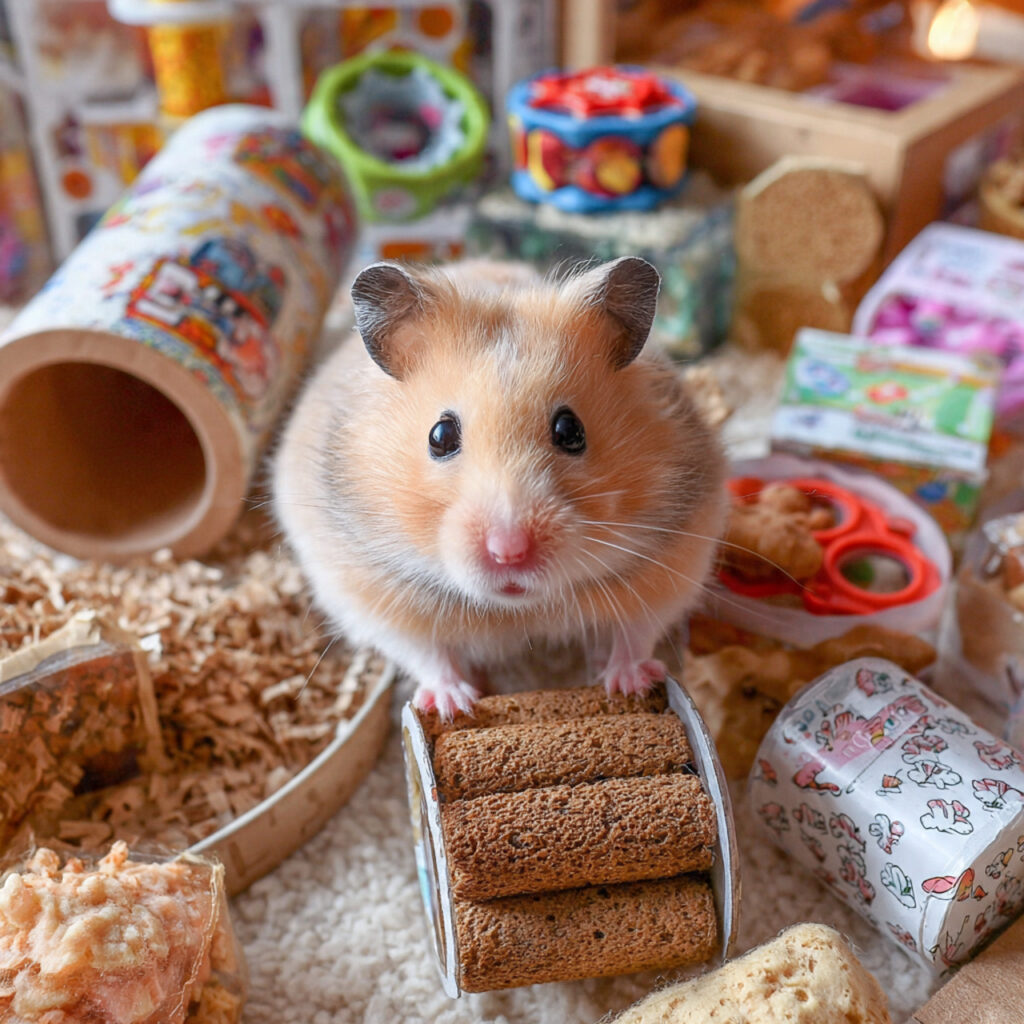
Mental stimulation is just as important as physical activity. Some of the best hamster toys are simple and interactive.
Ideas include:
- Treat-dispensing puzzle toys
- Hidden snacks in bedding
- Hamster toys DIY made from cardboard
- Foraging boxes
DIY enrichment is inexpensive and highly effective for stimulating natural behaviors.
Top 10 Toys and Accessories for Hamsters and Gerbils
What About Toy Hamsters?
Many people search for terms like:
- Robot hamster toy
- Robotic hamster toy
- Zhu Zhu hamster toy
- Singing hamster toy
- Toy hamster talking
- Hamster plush toy or hamster stuffed toy
These toys are designed for children and are either electronic, battery-operated, or plush versions of hamsters. They are primarily meant for play and entertainment, not for the mental or physical enrichment of real hamsters. While they may provide fun for kids, these toys cannot replicate the natural behaviors of live hamsters, such as running, chewing, burrowing, or exploring.
If you are shopping for children’s play items, these fall under categories like:
- Hamster toys for kids
- Dancing hamster toy
- Toy hamster that sings
- Hamster plush toys
For live hamster care, it is crucial to focus on species-appropriate enrichment. Real hamsters need toys that:
- Encourage exercise, such as hamster wheel toys
- Promote mental stimulation, including puzzle toys and tunnels
- Support healthy chewing habits, like wooden or gnawing toys
- Mimic natural behaviors such as climbing, digging, and foraging
Using electronic or plush toys as a substitute for real enrichment can lead to boredom, stress, or health issues for your pet hamster. Always prioritize safe, interactive, and physical toys specifically designed for live hamsters to ensure they remain happy, healthy, and active.
Safety Tips for Hamster Toys
When choosing good hamster toys, keep these safety tips in mind:
Use non-toxic materials
Hamsters are natural chewers, so all toys should be made from safe, non-toxic materials. Avoid plastics with harmful chemicals, treated wood, or paints that can be ingested. Safe materials prevent poisoning or long-term health problems.
Choose size-appropriate toys
Toys that are too small can cause choking or get stuck in your hamster’s mouth, while toys that are too large may be difficult to use. Size-appropriate toys ensure your hamster can play safely and comfortably.
Avoid sharp edges
Sharp edges or splinters can cut your hamster’s skin or paws. Always check toys for rough spots and sand or smooth them before use. Rounded and smooth surfaces reduce the risk of injuries.
Clean toys regularly
Toys can accumulate bacteria, mold, or urine over time, especially chew toys or tunnels. Cleaning toys weekly with mild soap and warm water keeps the environment hygienic and prevents illness.
Supervise when introducing new items
Whenever you give a new toy to your hamster, watch their interaction at first. Some toys may be unsafe or too complex, and supervision ensures your hamster stays safe while learning how to use it.
Safe enrichment prevents injuries and long-term health issues.
DIY Hamster Toys at Home
You can easily create hamster toys at home using simple household items. These toys encourage natural behaviors like gnawing, burrowing, and exploration, without the need for expensive purchases. Here’s how each item works:
- Cardboard tunnels
Cut cardboard tubes or boxes into tunnel shapes. Hamsters love running through and hiding in tunnels, which mimics their natural burrowing behavior and provides both physical exercise and mental stimulation. - Paper cups
Small paper cups can be used as climbing platforms, hiding spots, or even for tossing and pushing games. Hamsters enjoy interacting with these lightweight objects, and they help develop coordination and curiosity. - Shredded paper for digging
Provide a box filled with shredded paper or tissue. Hamsters love digging and burrowing in soft materials, which satisfies their instinctive digging behavior while keeping them entertained for long periods. - Simple wooden blocks
Untreated wooden blocks or small pieces of wood allow hamsters to gnaw safely, helping prevent overgrown teeth. They can also be stacked or arranged for climbing and balancing challenges.
This approach creates a fun, stimulating environment for your hamster while encouraging natural activities and keeping costs low.
Creating a Stimulating Environment
Beyond individual toys, enrichment should include:
Deep bedding for burrowing
Hamsters are natural burrowers. Providing deep bedding allows them to dig, tunnel, and create nests, which reduces stress, encourages natural behavior, and provides mental stimulation. Materials like paper-based or aspen bedding are safe and absorbent.
A proper hamster wheel toy
A hamster wheel provides essential exercise. It helps maintain a healthy weight, improves cardiovascular health, and reduces boredom. Ensure the wheel is large enough for your hamster to run without arching its back and has a solid running surface to prevent injuries.
Rotating hamster chew toys weekly
Hamsters need to chew continuously to keep their teeth healthy. Offering a variety of chew toys and rotating them weekly keeps the experience novel, prevents boredom, and supports dental health. Include wooden blocks, mineral chews, and gnawing toys.
Hideouts and tunnels
Hideouts and tunnels provide security and mental enrichment. They mimic a hamster’s natural habitat, giving a sense of safety and space for exploration. Cardboard tubes, tunnels, or small wooden hideouts encourage climbing, running, and foraging behaviors.
Foraging opportunities
Foraging challenges your hamster’s mind and encourages natural hunting behaviors. Hiding small treats in bedding, puzzle toys, or tunnels keeps your hamster engaged, stimulates problem-solving skills, and prevents repetitive or destructive behaviors.
This combination of physical and mental enrichment ensures your hamster remains happy, healthy, and active. For more ideas on building a complete hamster habitat, see our Hamster Care Guide.
Conclusion
Providing the best hamster toys is essential for your pet’s mental and physical health. Focus on:
- Properly sized hamster wheel toys
- Safe hamster chew toys and gnawing toys
- Interactive enrichment
- DIY stimulation options
Avoid confusing electronic toy hamster products with real enrichment needs. By choosing safe, engaging pet hamster toys, you’ll keep your hamster active, healthy, and happy. Choose a variety of hamster toys that suit your pet’s preferences.
- Regularly evaluate the condition of your hamster toys.
- Remember, the right hamster toys can make a significant difference.
- By providing various hamster toys, you enhance their overall well-being.