Wet tail is one of the most serious illnesses that can affect pet hamsters. It spreads quickly, progresses fast, and can become life-threatening if not treated immediately. Because the disease can worsen within a short time, recognizing the warning signs early is critical for saving your pet.
Hamster owners who understand proper hygiene, diet, and stress management are far less likely to encounter this disease. If you’re new to hamster care, it’s helpful to first learn the basics in this complete guide on how to take care of a hamster, which explains the essential habits that keep hamsters healthy.
This article explains what hamster wet tail is, the symptoms to watch for, treatment options, survival chances, and prevention tips so pet owners can act quickly if their hamster becomes ill.
What Is Hamster Wet Tail Disease?
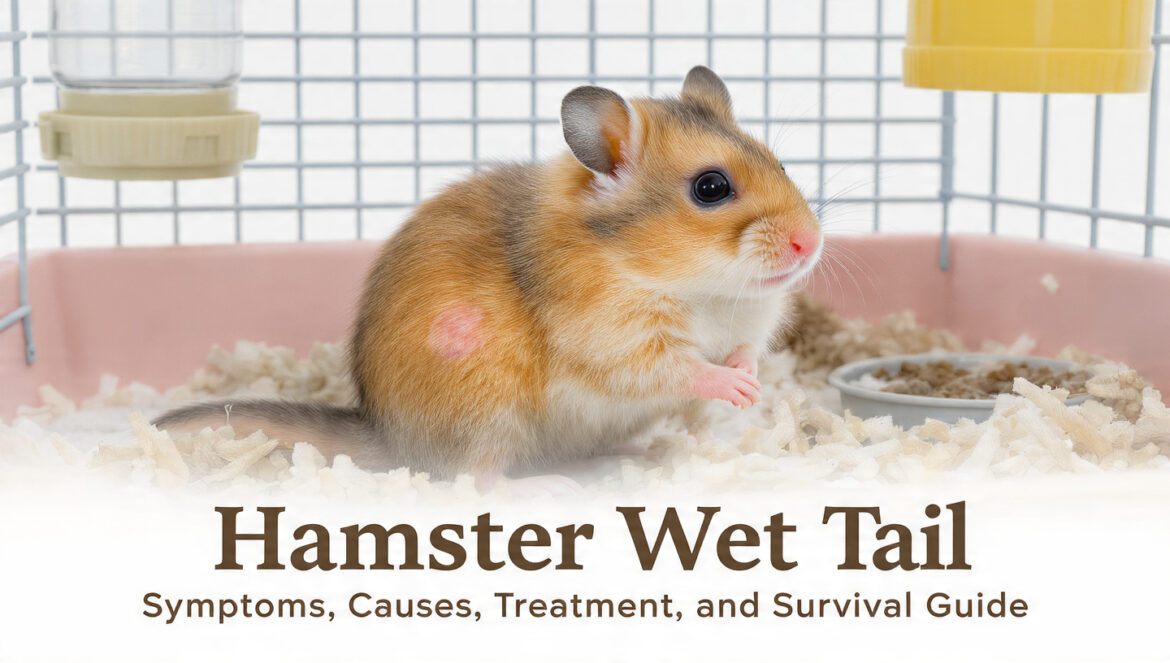
Hamster wet tail is a bacterial infection of the digestive system that causes severe diarrhea, dehydration, and weakness. The medical name for the condition is proliferative ileitis, and it primarily affects young hamsters, especially those between 3 and 8 weeks old.
The illness gets its common name from the wet and dirty appearance around the hamster’s tail area, caused by persistent diarrhea.
Wet tail is considered an emergency because it can become fatal within 24–48 hours without treatment. Stress is often a major trigger for the disease, especially when hamsters experience:
- Moving to a new home
- Poor cage hygiene
- Sudden diet changes
- Overcrowded living conditions
- Weak immune systems
Many pet owners first learn about the illness when researching common conditions in small pets. If you want a broader overview of health issues affecting hamsters, you can read this guide on Hamster Diseases: What Every Pet Owner Should Know.
Causes of Wet Tail in Hamsters
Wet tail is primarily caused by bacteria in the digestive tract, but certain conditions can weaken a hamster’s immune system and allow the infection to develop quickly.
Understanding these risk factors helps owners reduce the chances of their hamster developing this dangerous disease.
1. Stress
Stress is considered the most common trigger of wet tail. When hamsters experience stress, their immune system becomes weaker, making it easier for harmful bacteria to multiply in the digestive system.
Common stress triggers include:
- Moving to a new hamster home or cage
- Transportation from a pet store
- Frequent handling by different people
- Loud noises or sudden environmental changes
- Living in a busy household
Young hamsters are especially sensitive to stress. When a hamster is placed in a completely new environment, it may take several days to adjust. During this time, the body is more vulnerable to infections like wet tail.
To reduce stress, owners should provide a quiet environment, stable routine, and minimal handling during the first few days after bringing a hamster home.
2. Poor Hygiene
A dirty cage is another major factor that can contribute to wet tail. When bedding becomes soiled with urine and droppings, bacteria can multiply rapidly, increasing the risk of infection.
Unsanitary conditions may occur when:
- Bedding is not replaced regularly
- Food leftovers are left in the cage too long
- Water bottles leak and create damp bedding
- The cage is too small and becomes dirty quickly
Bacteria thrive in warm, moist environments, which makes dirty cages an ideal place for infections to spread.
To prevent this problem, hamster cages should be cleaned regularly, with fresh bedding and proper ventilation to maintain a healthy living space.
3. Sudden Diet Changes
Hamsters have sensitive digestive systems, and abrupt changes in food can disrupt the balance of bacteria in their gut.
For example, switching from one type of pellet food to another overnight or introducing large amounts of fresh vegetables can cause digestive upset and diarrhea. When the digestive system becomes unstable, harmful bacteria may grow more easily.
Common diet-related mistakes include:
- Changing hamster food too quickly
- Feeding too many sugary or watery foods
- Giving human food that is unsafe for hamsters
To avoid digestive stress, new foods should be introduced gradually over several days, allowing the hamster’s digestive system to adapt.
4. Crowded Living Conditions
Crowding can increase the risk of wet tail because it creates both stress and exposure to bacteria.
This issue often occurs in pet stores or breeding environments where multiple hamsters are housed in the same enclosure. Close living quarters can lead to:
- Increased stress from competition
- Faster spread of bacteria
- Poor sanitation due to overcrowding
Some hamster species, such as Syrian hamsters, are naturally solitary animals and should not be housed together. Keeping them in separate enclosures reduces stress and prevents illness.
5. Young Age
Young hamsters are the most vulnerable to wet tail, especially those between 3 and 8 weeks old. At this stage, their immune systems are still developing, which makes it harder for their bodies to fight infections.
Many young hamsters experience stress when they are:
- Separated from their mother
- Transported to pet stores
- Moved to a new home shortly after purchase
These combined stressors can weaken the immune system and create the perfect conditions for wet tail to develop.
Because of this risk, young hamsters should be given extra care, a calm environment, and proper nutrition to help them stay healthy.
Proper care practices can significantly reduce the chances of wet tail. New owners can learn the basics in this complete guide on How to Take Care of a Hamster.
Hamster Wet Tail Symptoms and Early Warning Signs
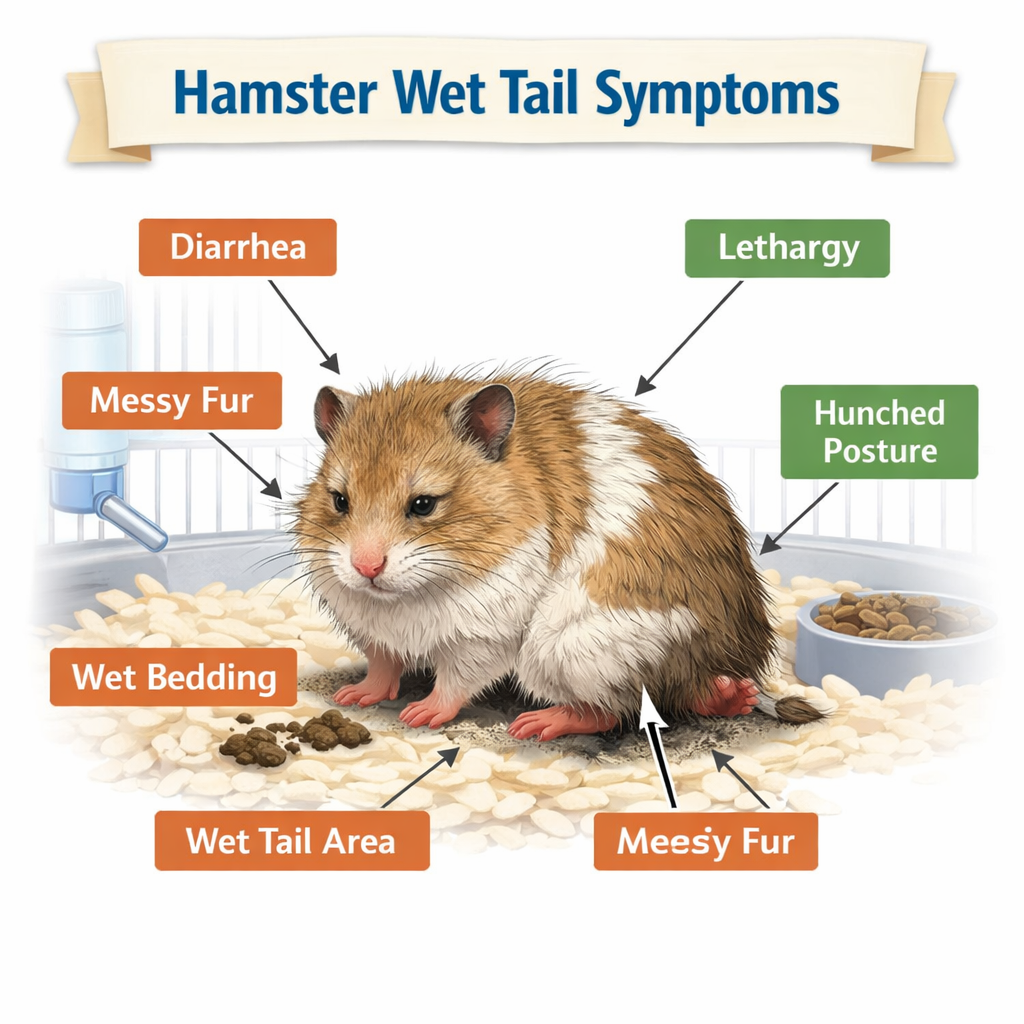
Early detection is extremely important. The sooner treatment begins, the higher the chances of survival.
Common hamster wet tail symptoms include:
- Wet, dirty, or matted fur around the tail
- Severe diarrhea
- Strong foul odor
- Lethargy or unusual weakness
- Loss of appetite
- Hunched posture
- Sunken eyes due to dehydration
- Rapid weight loss
Some hamsters may also appear less active or isolate themselves in their cage.
Early Signs of Wet Tail
In the early stages, symptoms can be subtle. Watch for:
- Slight dampness near the tail
- Soft or loose droppings
- Reduced activity
- Mild dehydration
Because wet tail can progress rapidly, any suspected symptoms should be taken seriously.
How to Tell If Your Hamster Has Wet Tail
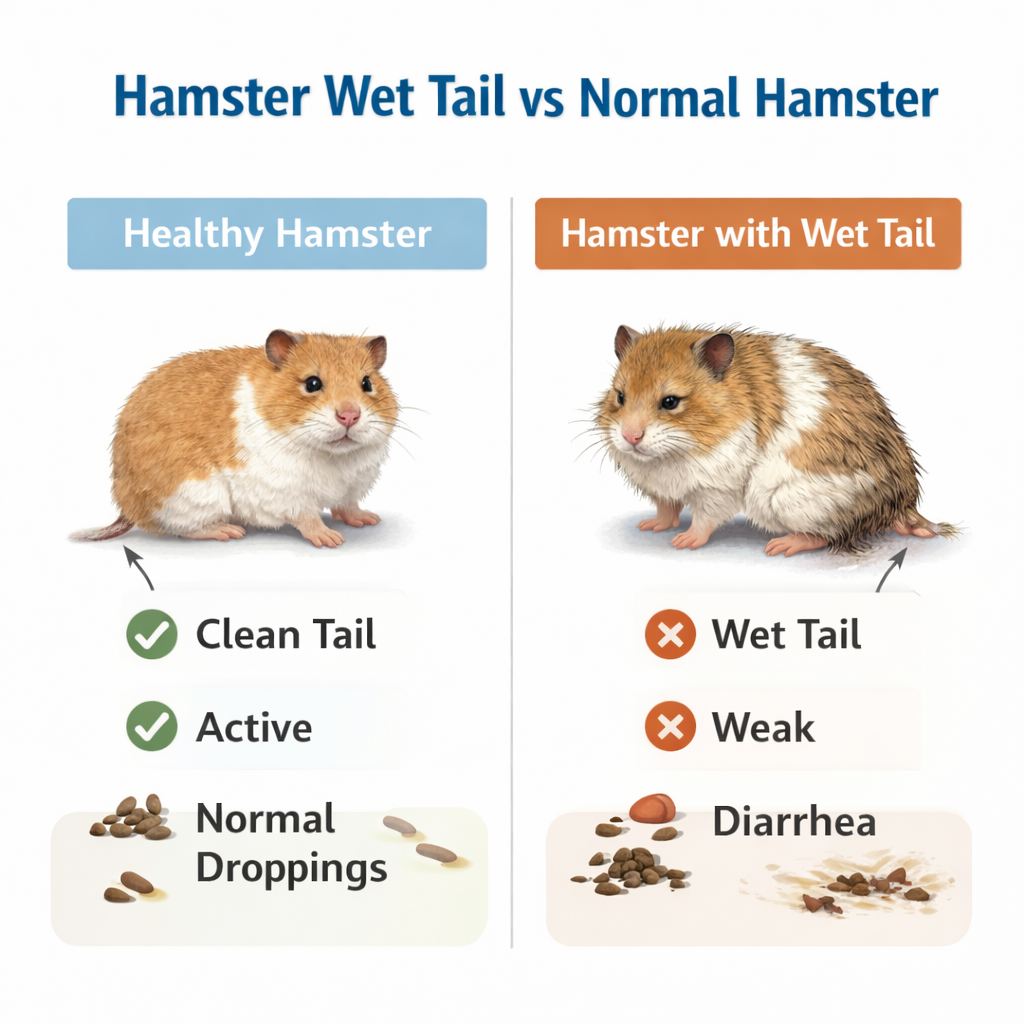
Many owners confuse normal diarrhea with wet tail. While both involve digestive issues, wet tail is much more severe.
Here are a few ways to tell the difference:
| Symptom | Wet Tail | Normal Digestive Upset |
|---|---|---|
| Tail area | Wet, dirty, and smelly | Usually clean |
| Energy level | Very lethargic | Mild discomfort |
| Progression | Rapid (hours to days) | Often improves quickly |
| Appetite | Often stops eating | Usually continues eating |
If your hamster shows severe diarrhea with a wet tail area, assume it could be wet tail and seek veterinary care immediately.
Hamster Wet Tail Treatment Options
Wet tail should always be treated as a medical emergency. Home treatment alone is rarely enough to save a hamster.
Veterinary treatment typically includes:
Antibiotics
A veterinarian may prescribe antibiotics to fight the bacterial infection.
Fluid Therapy
Hamsters with wet tail often suffer from dehydration, so fluids may be given to restore hydration.
Anti-Diarrheal Medication
Some medications help slow diarrhea and stabilize the digestive system.
Nutritional Support
Weak hamsters may require syringe feeding or special recovery diets.
Because the disease progresses quickly, early veterinary treatment greatly increases survival chances.
Can a Hamster Survive Wet Tail? (Survival Rate Explained)
The survival rate for wet tail varies depending on how quickly treatment begins.
Typical survival outcomes:
- Early treatment: Good chance of recovery
- Treatment within 24 hours: Moderate survival rate
- Delayed treatment: High risk of death
Unfortunately, many hamsters die from dehydration or infection when the illness is ignored for too long.
Even when treated, recovery can take several days to a week, and the hamster will require careful monitoring.
Home Care for a Hamster With Wet Tail
While veterinary treatment is essential, supportive care at home also helps recovery.
Helpful home care steps include:
Keep the Cage Warm
Sick hamsters can become cold easily, so maintain a comfortable environment.
Provide Easy Access to Water
Hydration is extremely important during recovery.
Maintain a Clean Cage
Remove dirty bedding and replace it with fresh material to prevent bacterial spread.
Reduce Stress
Keep the hamster in a quiet environment and avoid excessive handling.
A clean habitat plays a major role in recovery and prevention. Learn more about proper setups in this complete guide to choosing the right Hamster Cage.
Hamster Wet Tail Prevention Tips
Preventing wet tail is much easier than treating it.
Here are some important prevention strategies:
Reduce Stress
Allow new hamsters time to adjust to their environment.
Clean the Cage Regularly
Replace bedding and sanitize cage accessories frequently.
Provide a Balanced Diet
Feed a proper mix of hamster pellets, fresh vegetables, and safe treats.
Avoid Overcrowding
Hamsters should have enough space and should not be housed together if the species is solitary.
Monitor Young Hamsters Closely
Young hamsters are more vulnerable to illness.
Healthy living conditions are one of the most effective ways to keep your hamster safe from serious diseases.
When to See a Vet Immediately
Seek veterinary help right away if your hamster shows:
- Severe diarrhea
- Wet tail area
- Loss of appetite
- Extreme weakness
- Rapid weight loss
Because wet tail progresses so quickly, delaying treatment can be fatal.
1. How to treat a hamster with a wet tail?
Wet tail requires immediate veterinary treatment. Vets usually give antibiotics, fluids for dehydration, and supportive care while keeping the hamster warm and stress-free.
2. Is it my fault my hamster got wet tail?
Not always. Wet tail often occurs due to stress, young age, bacteria, or pet store conditions, even if the owner provides good care.
3. What are the first signs of wet tail in hamsters?
Early signs include wet fur around the tail, diarrhea, lethargy, loss of appetite, and a hunched posture.
4. What is the medication for wet tail?
Common medications include veterinary antibiotics, anti-diarrheal drugs, and electrolyte fluids to treat infection and dehydration.
5. What are end of life signs in hamsters?
Common signs include extreme weakness, loss of appetite, difficulty moving, weight loss, and sleeping most of the time.
6. What is the most common cause of death in hamsters?
The most common causes are old age, infections like wet tail, tumors, and respiratory diseases.
7. What is the most common cause of death in hamsters?
The most common causes are old age, infections like wet tail, tumors, and respiratory diseases.
8. Do hamsters with wet tails smell?
Yes. Wet tail usually causes a strong, unpleasant odor due to diarrhea and bacterial infection.
9. Is wet tail painful?
Yes. Wet tail can be very uncomfortable and painful because it causes severe diarrhea, dehydration, and weakness.
10. Is wet tail the same as diarrhea?
No. Wet tail includes severe diarrhea plus bacterial infection and other symptoms, making it much more serious than normal diarrhea.
Final Thoughts
Hamster wet tail is a serious but preventable illness. The key to protecting your pet is understanding the symptoms, acting quickly, and providing proper care.
Most importantly:
- Watch for early warning signs
- Seek veterinary help immediately
- Maintain a clean, low-stress environment
With attentive care and early treatment, many hamsters can recover and return to their normal, active lives.