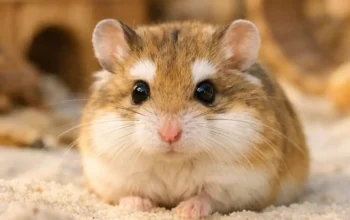
If you’ve ever walked into a pet shop and noticed a fluffy, wide-eyed hamster that looks like a miniature plush toy, chances are you’ve encountered the teddy bear hamster. This irresistibly cute nickname has won over countless pet lovers, but here’s the fun fact this little creature is actually a Syrian hamster.
The name “teddy bear” is more of a marketing charm than a scientific classification. Still, the adorable look, gentle nature, and manageable size make it one of the most popular pet hamsters in the world.
Over the years, these hamsters have appeared under various creative names Honey Bear Hamster, Panda Hamster, Golden Hamster, Black Bear Hamster, and more but they are all the same species. So, while the name might make them sound like a rare or exotic variety, the truth is a bit simpler: it’s all about making them sound irresistible to pet owners.

Why the Name “Teddy Bear Hamster” Caught On
Pet stores know that presentation matters. Calling a pet “Syrian hamster” is accurate, but calling it a “teddy bear hamster” sparks immediate warmth and visual appeal. Imagine a child hearing “teddy bear” versus “Syrian” one instantly paints a picture of cuddles and softness, the other feels more neutral and scientific.
This clever naming has contributed to the hamster’s popularity, especially among families and first-time pet owners. The truth is, the name doesn’t change the hamster’s care requirements or personality it’s still the same lovable Syrian hamster underneath that fluffy coat.
How to Take Care of a Hamster: Complete Beginner’s Guide
Types of Teddy Bear Hamsters: Long Hair vs. Short Hair
While all teddy bear hamsters are Syrian hamsters, they come in different coat lengths. The most famous variation is the long haired teddy bear hamster, which sports a soft, flowing coat that can make it look twice its actual size. These hamsters require regular grooming, as their long fur can easily tangle or collect bits of bedding.
Short-haired Syrians, on the other hand, have a sleeker appearance and require less grooming. Both types have the same playful personality, so choosing between them often comes down to how much grooming the owner is willing to do.
Colors and Variations
Although most people picture a golden-brown hamster when they hear “teddy bear hamster,” they actually come in a variety of colors. One of the striking variations is the black teddy bear hamster, which boasts deep, silky black fur and bright, beady eyes. There are also cream, white, sable, and patterned varieties.
Coat color doesn’t affect personality or lifespan, but it can influence a pet owner’s personal preference when choosing a hamster.
How Long Do Teddy Bear Hamsters Live?
When deciding to adopt, it’s important to know how much time you’ll have with your new furry friend. On average, the teddy bear hamster lifespan ranges from 2 to 3 years with proper care. Genetics, diet, and habitat quality all play roles in how long they live.
Some owners may hear the term lifespan of teddy bear hamster and expect a much longer commitment, but these pets are considered short-term companions compared to cats or dogs. This makes them a popular choice for people looking for a smaller, less time-intensive pet experience.
Care Requirements for a Happy Hamster

Despite their small size, teddy bear hamsters have surprisingly specific care needs. At a minimum, they require:
- A spacious cage: Experts recommend at least 350–400 square inches of floor space.
- A proper exercise wheel: Minimum 8 inches in diameter to prevent spinal issues.
- Safe bedding: Paper-based bedding is ideal.
- Hideouts and toys: These keep them mentally stimulated.
- A healthy diet: A mix of quality hamster pellets, fresh vegetables, and occasional treats.
Because they’re solitary by nature, teddy bear hamsters should be housed alone to avoid fighting and stress.
Finding a Teddy Bear Hamster for Sale
If someone is searching for a teddy bear hamster for sale, there are a few places to look:
- Local pet stores: The most common source, though quality of care can vary.
- Reputable breeders: Often provide healthier hamsters with known lineage.
- Animal rescues: Sometimes have hamsters in need of homes.
When buying, it’s important to look for bright eyes, clean fur, and active behavior as signs of a healthy hamster.
Hamster vs Guinea Pig: Which Pet is Right for You?
Fun Fact: The “Hamster Teddy Bear” Nickname
The phrase hamster teddy bear isn’t just another name—it’s a playful reversal that some pet owners use to emphasize their hamster’s cuddly nature. While these little creatures aren’t the type to snuggle like a cat or dog, their plush appearance and gentle demeanor make the nickname fitting.
Common Misconceptions
- They are different from Syrian hamsters.
False every teddy bear hamster is a Syrian hamster. - They can live together.
Incorrect—Syrian hamsters are territorial and should always be housed alone. - They’re low-maintenance “starter pets.”
Not quite—while they’re easier to care for than some animals, they still require daily attention.
Health and Lifespan Tips
To give a teddy bear hamster the best chance at a long, healthy life:
- Provide a large, clean, and safe habitat.
- Feed a balanced diet with fresh vegetables.
- Keep their environment stress-free.
- Handle them gently and regularly to build trust.
By following these tips, owners can help their hamster live closer to the upper range of its lifespan.
FAQs
1. What is the difference between a hamster and a Teddy Bear hamster?
A Teddy Bear hamster is a long-haired variety of Syrian hamster. Compared to regular Syrian hamsters, they have softer, fluffier fur and require extra grooming.
2. What breed is a Teddy Bear hamster?
Teddy Bear hamsters are a long-haired Syrian hamster breed, known for their plush coats and gentle nature.
3. Is a Teddy Bear hamster friendly?
Yes, Teddy Bear hamsters are friendly and calm, making them ideal for handling and interaction, especially with regular gentle care,
4. How long does a Teddy Bear hamster live?
They typically live 2–3 years, similar to other Syrian hamsters, depending on care, diet, and environment.
5. What is the friendliest type of hamster?
Syrian hamsters, including Teddy Bear hamsters, are generally the friendliest. They are larger, calmer, and easier to handle than dwarf or Roborovski hamst
6. Do Teddy Bear hamsters get big?
They grow to about 5–7 inches (12–18 cm) long, similar in size to regular Syrian hamsters, with their long fur making them appear even larger.
7. Do Teddy Bear hamsters need a sand bath?.
Yes, occasional sand baths help Teddy Bear hamsters keep their long fur clean and free of oils, especially for grooming and skin health
8. What is the best hamster for a beginner?
Syrian hamsters, including Teddy Bear varieties, are best for beginners because they are easy to handle, larger, and friendly.
9. How to tell if a Teddy Bear hamster is male or female?
Males have visible testicles and a slightly longer distance between the genital and anal openings. Females have nipples along their belly and a shorter distance between openings.
10. Can Teddy Bear hamsters live alone?
Yes, Syrian hamsters including Teddy Bears must live alone because they are territorial and can fight if housed together.
Conclusion
In the end, the teddy bear hamster may be a marketing term, but it’s one that captures the heart of anyone who meets this adorable pet. Whether it’s a long haired teddy bear hamster or a black teddy bear hamster, the charm is undeniable. They may only be with their owners for 2–3 years, but in that short time, they bring joy, laughter, and countless memorable moments.